
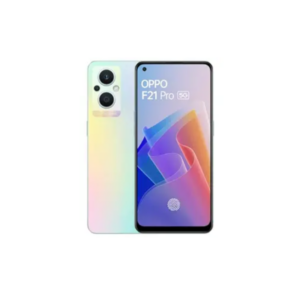
The OPPO F21 Pro 5G is clearly positioned as a style-first smartphone with decent mid-range performance, but don’t confuse it with a power device—it’s not built for heavy users.
You get a 6.43-inch FHD+ AMOLED display, which is genuinely good: sharp, vibrant, and perfectly fine for content consumption. The standout element here is the design—the “Rainbow Spectrum” finish and dual orbit lights around the camera module are meant to grab attention. If your priority is aesthetics, this phone delivers more than most in this price range.
Performance is where things get average. The Snapdragon processor (mid-range tier) paired with 8GB RAM is fine for daily tasks—social media, browsing, light gaming—but it’s not built for high-end gaming or long-term heavy usage. Over time, you’ll notice limitations compared to newer chipsets.
The 64MP triple camera setup sounds impressive on paper, but realistically, only the main sensor does meaningful work. The 2MP macro and monochrome lenses are mostly filler—they won’t add real value. Expect decent daylight photos, average low-light performance, and a solid 16MP selfie camera.
Battery-wise, 4500mAh with 33W fast charging is reliable. It’ll comfortably last a day for normal usage, and charging is reasonably quick—not industry-leading, but good enough.
Here’s the blunt truth: this phone is for someone who wants a good-looking device with stable everyday performance. If you’re expecting flagship-level speed, camera versatility, or long-term performance, this isn’t it. You’re paying partly for design, not just specs.
Oppo F21 Pro 5G Rainbow Spectrum 8GB RAM 128 Storage
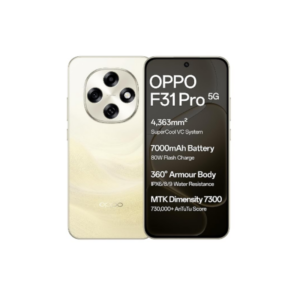

The OPPO smartphone (Dimensity 7300 rugged model) is positioned as a performance-focused and durability-heavy device, combining strong hardware with aggressive marketing claims. It runs on Android 14 with 8GB RAM and is powered by the MediaTek Dimensity 7300 chipset, which is actually a solid mid-range processor—not flagship, but capable enough for smooth multitasking and moderate gaming. The 6.57-inch AMOLED display with a 120Hz refresh rate and high brightness is one of its genuine strengths, offering good visibility and fluid scrolling. On the camera side, you get a 50MP main sensor and a 32MP front camera, which sounds impressive, but features like “underwater photography” and “pro-grade” output are marketing exaggerations—you’ll get decent photos, not DSLR-level results.
Now the part you shouldn’t blindly believe: the 7000mAh battery, IP69 + military-grade durability, 80W charging, and all those AI/network features packed into a slim phone. That combination is technically possible, but rare at this price segment, and often comes with trade-offs (bulkier design, heat issues, or exaggerated claims). Also, features like “offline calling up to 210m” and “72-month fluency guarantee” are more theoretical than practical in real-world use.
Bottom line: this phone makes sense if you want a big battery, strong display, and decent performance in one device. But if you’re expecting true flagship performance, professional photography, or military-grade toughness in daily usage, that expectation is off. This is still a mid-range phone dressed up with high-end marketing.
Oppo F31 Pro 5G
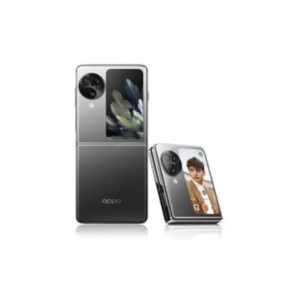
The OPPO Find X6 Pro is a flagship-level smartphone built for users who want serious performance, premium design, and top-tier camera capabilities in one device. Powered by the MediaTek Dimensity 9200 processor and backed by a massive 12GB RAM, it delivers extremely smooth performance whether you're gaming, multitasking, or running heavy applications—this isn’t just “fast for the price,” it’s genuinely high-end performance. The large 6.8-inch display enhances everything from content consumption to gaming, offering an immersive and fluid visual experience that feels premium in daily use.
Where this device really stands out is its camera system. With a powerful 50MP + 48MP + 32MP triple rear setup and a 32MP front camera, it’s built for users who care about photography, delivering sharp, detailed images with strong dynamic range and reliable low-light performance. The 4300mAh battery is decent but not exceptional for a flagship, meaning heavy users might still need a recharge by the end of the day. Overall, this phone is for people who want flagship performance and camera quality without compromise—but if battery life is your top priority, this is where it slightly falls short compared to competitors.
Oppo Find N3 Flip 5G Smartphone
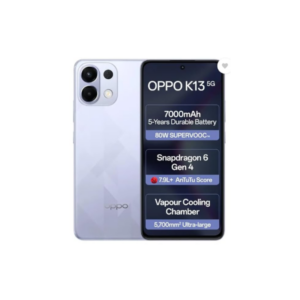
The OPPO K14x 5G is built around one core idea: battery dominance with decent all-round performance—but don’t mistake it for a flagship killer.
The biggest highlight is the massive 7000 mAh battery, which is honestly overkill for most users. You’re looking at easily 1.5 to 2 days of usage, even with heavy use. Pair that with 80W SUPERVOOC charging, and the usual “big battery = slow charging” problem is gone. This is one of the few phones that actually solves battery anxiety properly.
The 6.67-inch display is large and practical for everyday use—good for content, scrolling, and gaming—but since there’s no mention of AMOLED or high-end panel specs, don’t expect flagship-level visuals. It’ll get the job done, not impress you.
Performance is where you need to stay realistic. The Snapdragon 6 Gen 4 is a mid-range processor—solid for daily tasks, smooth UI, and moderate gaming, but not built for sustained heavy gaming or high-performance workloads. It’s efficient, not powerful.
The 50MP + 2MP camera setup is typical budget strategy. The 50MP main sensor will give decent daylight shots, but the 2MP secondary lens is basically filler. Low-light and versatility will be limited. The 16MP front camera is fine for social media.
OPPO K13 5G with 7000mAh and 80W SUPERVOOC Charger in-The-Box, ICY Purple (8GB, 128GB)
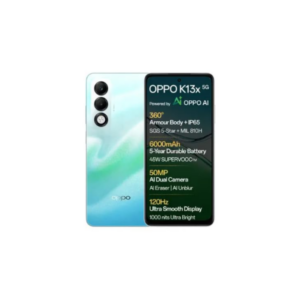
The OPPO (Dimensity 6300 6GB variant) is a straight-up budget 5G phone, and you should judge it exactly like that—not based on inflated expectations.
Here’s the reality:
It gives you 6GB RAM + 128GB storage (expandable up to 2TB), which is actually solid for the price segment. Storage won’t be your problem. The Dimensity 6300 processor is entry-level 5G—good for WhatsApp, social media, YouTube, light multitasking. But don’t expect smooth heavy gaming or long-term performance stability. It will start feeling slow if you push it.
The biggest compromise is the HD+ display on a 6.67-inch screen. This is where corners are clearly cut. On a large screen, HD+ means lower sharpness—you will notice softer text and less crisp visuals compared to Full HD+. This is not a small drawback; it directly affects daily usage.
Battery is the main win: 6000 mAh is excellent. You’ll easily get 1.5–2 days usage, which makes it practical for heavy users who hate charging frequently.
Camera setup (50MP + 2MP, 8MP front) is basic. Daylight shots will be okay, but don’t expect good low-light, detail, or versatility. This is not a camera-focused phone at all.
OPPO K13x 5G 6000mAh and 45W SUPERVOOC Charger & AI (Breeze Blue, 128 GB) (6 GB RAM)
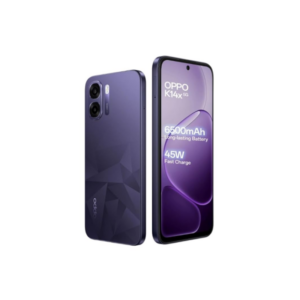
The OPPO K14x 5G is built for users who prioritize battery life and reliable everyday performance over flashy flagship features. With 5G connectivity, it ensures fast browsing, streaming, and downloads, making it future-ready for modern network demands. The standout feature here is the massive 6500mAh battery, which easily lasts more than a full day—even with heavy usage—making it ideal if you hate charging your phone frequently. When you do need to charge, the 45W fast charging support gets you back up quickly, reducing downtime significantly.
In terms of performance, the 4GB RAM and 64GB storage setup is decent but not impressive—it will handle basic tasks like social media, calls, and light multitasking, but don’t expect smooth performance in heavy gaming or demanding apps. The Prism Violet design adds a premium visual touch with its geometric finish, making the phone look more expensive than it actually is. Overall, this device is a practical choice for users who want strong battery life, fast charging, and 5G at a budget level, but if performance or camera quality matters a lot to you, this isn’t the phone to bet on.
OPPO K14x 5G
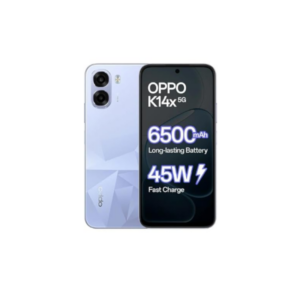 The OPPO smartphone (Dimensity 6300 model) is a budget-friendly device designed to handle everyday tasks with decent efficiency, running on Android 15 and powered by the MediaTek Dimensity 6300 processor with a clock speed of up to 2.4 GHz. It comes with 4GB RAM and 128GB internal storage, which is suitable for basic multitasking, app usage, and storing media. The phone features a 6.75-inch display, offering a large viewing area ideal for content consumption like videos and browsing. In terms of photography, it includes a 50MP main rear camera paired with a 2MP secondary sensor for basic depth or macro shots, along with a 5MP front camera for selfies and video calls. One of its strongest highlights is the massive 6500mAh battery, which is built to deliver extended usage throughout the day and beyond without frequent charging. Overall, this device is positioned for users who prioritize battery life and a large screen over high-end performance or advanced camera capabilities.
OPPO k14x 5g (Ice Blue) (4gb+128gb)
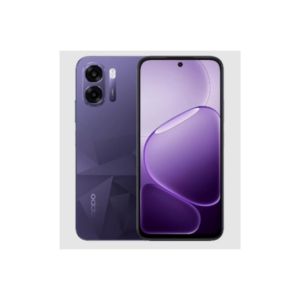
The OPPO K14x 5G is a budget-friendly 5G smartphone designed for users who want modern connectivity and reliable everyday performance without spending too much. Powered by the MediaTek Dimensity 6300 processor and paired with 4GB RAM, it handles daily tasks like browsing, social media, streaming, and light multitasking smoothly, but don’t expect high-end gaming or heavy performance workloads to run flawlessly. The large immersive display enhances your viewing experience, making it suitable for entertainment and casual use, while the 128GB storage gives you plenty of room for apps, photos, and videos without constantly worrying about space.
The dual rear camera setup is decent for basic photography, capturing good shots in well-lit conditions, while the front camera covers your selfies and video calls adequately. Its standout appeal comes from the sleek Prism Violet design with a geometric pattern, giving it a premium look despite being a budget device. With 5G connectivity, you’re future-ready for faster internet speeds and smoother online experiences. Overall, this phone makes sense if you want style, storage, and 5G on a budget, but if performance or camera quality is a priority, this won’t impress beyond basic expectations.
OPPO K14x 5G Smartphone, Prism Violet, 4GB RAM, 128GB Storage
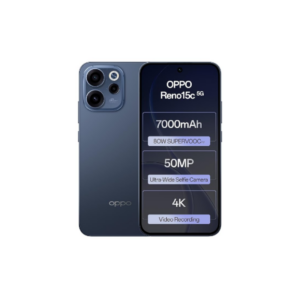
Let’s cut through the marketing fluff—because this spec sheet is trying very hard to sound like a flagship when it’s not.
The so-called OPPO Reno 15C positions itself as a “premium all-rounder,” but in reality it’s a mid-range phone dressed up with aggressive branding.
Start with the good: the 120Hz OLED display with high brightness and PWM dimming is genuinely solid. You’ll get smooth scrolling, good colors, and comfortable viewing. The 7000 mAh battery + 80W charging combo is again a major strength—just like the previous OPPO model you shared, battery life is a clear priority here. This phone will easily last long and charge fast.
Now the reality check:
The Snapdragon 6 Gen 1 (4nm) is not “flagship-level performance,” no matter how they spin it. It’s efficient, yes—but performance-wise it sits firmly in the mid-range category. Good for daily use, decent for casual gaming, but it won’t handle heavy gaming or future-proofing like a true flagship chip.Camera setup is another classic marketing trick. A 50MP front camera sounds impressive, but megapixels don’t equal quality. The wide-angle selfie (100° FOV) is useful, but overall camera performance will still depend on processing—and OPPO mid-range phones usually deliver good but not exceptional results, especially in low light despite all the “AI Flash” talk.
Build and durability claims like IP69, armor design, drop protection—these are strong on paper, but you should treat them as added safety, not indestructibility. Don’t assume you can abuse the phone.
The “AI tools” section is mostly ecosystem fluff—translation, summaries, etc.—features you can already get through apps or Android updates. Nothing here is a true differentiator.
Oppo Reno15c 5G (Twilight Blue, 12GB RAM, 256GB Storage)
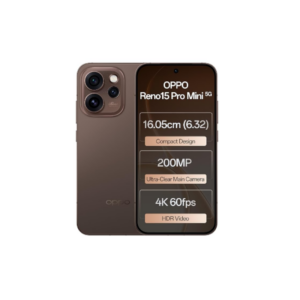 The OPPO Reno 15 Pro Mini is presented as a compact yet powerful smartphone, combining a 6.32-inch display with a design focused on comfortable one-handed use, making it practical for everyday handling and portability. It claims to deliver flagship-level performance with 12GB RAM and 512GB storage, along with a high-end camera setup that includes a 200MP main sensor and a 50MP periscope lens offering 3.5× optical zoom, aiming to provide detailed photography and strong zoom capabilities even in a smaller form factor. The device is also said to be powered by a Dimensity 8450 processor for smooth multitasking and gaming, while packing a large 6200mAh battery supported by 80W fast charging and wireless charging for extended usage. However, despite these impressive claims, the overall combination of features—especially the large battery, advanced camera hardware, and flagship performance inside a compact body—raises concerns about practicality and accuracy, suggesting that the specifications should be verified carefully before making any purchase decision.
Oppo Reno15Pro mini 5G (Cocoa Brown, 12GB RAM, 512GB Storage)
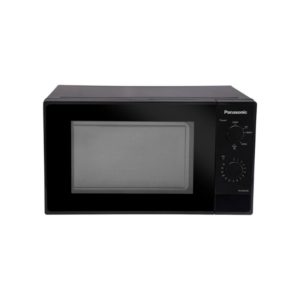
The 20L Mechanical Solo Microwave Oven is a basic solo microwave built for users who prioritize simplicity, durability, and straightforward daily usage over advanced cooking features. It’s mainly targeted at bachelors, couples, and small families who need a reliable appliance for reheating food, defrosting frozen items, and handling quick microwave tasks without dealing with complicated digital controls.
The 20-liter capacity is standard for compact households, and the 800W cooking power is decent enough for fast reheating and regular daily use. Compared to many entry-level 700W solo microwaves, this will generally heat food slightly faster and more evenly. The mechanical knob controls are actually one of the strongest practical aspects of this model because they are usually more durable and easier to repair than cheap touch panels. For older users or people who dislike navigating digital menus, this type of interface is far more convenient.
Features like reheat mode, defrost function, delay timer, child lock, and interior lighting improve usability without making the appliance overly complicated. The epoxy-coated interior is common in budget microwaves and works adequately for regular use, though it’s not as premium or durable as stainless-steel interiors found in higher-end models. The countertop design keeps installation simple, and the glass tray supports standard microwave-safe cookware.
Now the important reality check: this is still strictly a solo microwave. No grilling, no convection fan, no baking capability, no crispy textures. A lot of people buy solo microwaves expecting them to replace ovens because product descriptions use words like “cooking,” but microwave heating and oven cooking are completely different technologies.
So this category makes sense only if your actual needs are reheating leftovers, making beverages, defrosting meat, simple microwave cooking, and basic convenience usage. If you want baking, pizzas, cakes, or grilling, this is the wrong appliance category entirely.
Panasonic 20 L Solo
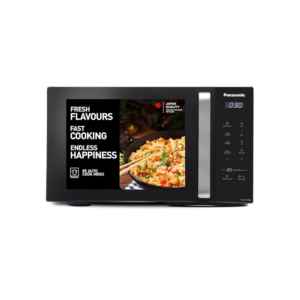
The 20L Solo Microwave Oven is a feature-rich solo microwave aimed at bachelors and small families who mainly want fast reheating, defrosting, and simple cooking without moving into convection or grilling territory. Even though the marketing talks about “cooking various dishes,” this is still fundamentally a solo microwave, which means its strengths are convenience cooking and everyday heating — not baking or proper grilling.
The 20-liter capacity is suitable for light daily use, and the 900W power output is actually stronger than many budget solo microwaves, so heating and cooking performance will feel quicker and more efficient. Features like auto reheat and auto defrost are genuinely useful because they help avoid uneven heating or partially frozen food, which is a common frustration in cheaper microwaves. The touch keypad and digital display make operation easier for preset cooking modes, and the quick minute timer is practical for short reheating tasks.
One of the bigger selling points here is the 85 auto-cook menu options. That sounds impressive on paper, but realistically most people end up using only a handful of presets regularly. Auto menus are useful for beginners, but they are not magic cooking technology — they simply automate power and timing combinations. The vapor clean feature is more practical because it helps reduce stains and odors without requiring aggressive scrubbing, which matters in regular microwave usage.
The compact countertop design is space-efficient, and the included glass tray and accessories make setup straightforward. However, the important limitation remains the same: despite the marketing language, this microwave cannot properly bake cakes, grill chicken, or produce oven-style crispy textures because it lacks convection and grill functionality.
So this model makes sense for people who primarily want reliable reheating, quick cooking, defrosting, and convenience features in a compact package. If your actual goal includes baking or grilling, spending more on a convection microwave would be a much smarter long-term purchase instead of trying to force solo microwaves to do things they were never built for.
Panasonic 25 L Solo
Electronics
Risus commodo viverra maecenas accumsan
lacus vel facilisis.