
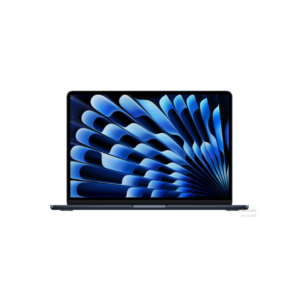
The Apple MacBook Air M4 is basically built for people who want a lightweight premium laptop that feels fast all the time without carrying around a heavy workstation. The biggest strength here is not raw benchmark numbers — it’s efficiency. The M4 chip delivers strong performance while keeping the laptop fanless, silent, cool, and power-efficient. That combination is why the MacBook Air dominates the premium ultrabook category despite having fewer ports and less upgrade flexibility than many Windows laptops.
The 13.6-inch Liquid Retina display is sharp, color-accurate, and bright enough for content work, entertainment, and long daily usage. The aluminum build quality is still ahead of most Windows laptops in this weight category, and at only 1.24 kg, portability is one of its strongest selling points. Battery life is another major advantage. Realistically, for web browsing, meetings, writing, content management, social media work, and moderate editing, this machine can comfortably last an entire workday without needing constant charging.
Performance-wise, the M4 chip is extremely efficient for multitasking, video editing, content creation, coding, student work, and productivity tasks. Features like hardware ray tracing, AV1 decoding, ProRes engines, and the 16-core Neural Engine make it much more future-ready for AI-assisted workflows and creative applications than older Air models. Even though it’s called an “Air,” it’s now powerful enough for fairly serious workloads like 4K video editing, Photoshop, light motion graphics, and running multiple heavy apps simultaneously.
But there are important realities buyers ignore because of Apple marketing. The base 256GB SSD is restrictive in 2026 if you work with videos, large files, or creative assets. Apple charges aggressively for RAM and storage upgrades, and since memory is unified and non-upgradable, buying the wrong configuration becomes an expensive mistake later. Also, the 60Hz display is still disappointing at this price when many cheaper laptops offer higher refresh rates.
Another thing people misunderstand: the Air is powerful, but it is not designed for sustained heavy rendering or high-end gaming sessions like a MacBook Pro. Since it has no fan, thermal throttling will happen under prolonged heavy loads. For normal users that’s irrelevant, but for professional 3D rendering, advanced motion graphics, or nonstop export workloads, the Pro models still make more sense.
For students, social media managers, office professionals, creators, and users who value portability, battery life, silent operation, and long-term smoothness, this is one of the best balanced premium laptops available right now. But if someone buys it mainly for gaming, upgrade flexibility, or maximum performance-per-rupee, they’re paying heavily for ecosystem and design rather than pure hardware value.
13-inch MacBook Air Apple M4 chip with 10-core CPU and 10-core GPU
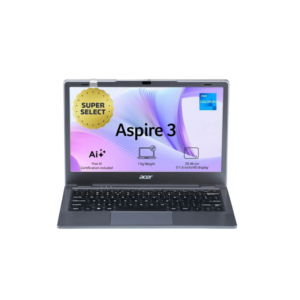

The Acer Thin and Light Laptop is an ultra-budget lightweight laptop designed mainly for basic everyday tasks, not serious performance work. Looking at the specifications honestly, this machine is built for web browsing, online classes, Microsoft Office work, YouTube, email usage, and light productivity — nothing beyond that. A lot of sellers market these kinds of laptops as “fast SSD laptops,” but the SSD alone does not magically make weak hardware powerful.
The 11.6-inch display and 1 kg weight make it extremely portable, which is probably its biggest advantage. It’s easy to carry around for students, travel usage, or simple office tasks. The Windows 11 Home OS gives access to regular desktop software, and the NVMe SSD will make boot times and app launches feel reasonably quick compared to old HDD laptops. Wi-Fi, Bluetooth, HDMI, and multiple USB ports also make it practical for basic connectivity needs.
But the limitations are very clear. The processor clock speed of 1.10 GHz with 2.8 GHz turbo strongly suggests this is a low-end Intel processor designed for power efficiency, not performance. Combined with integrated graphics and a small 11.6-inch 1366×768 TFT display, this is not a laptop for video editing, gaming, multitasking with heavy applications, or advanced creative work. Even opening many Chrome tabs alongside Zoom calls can push systems like this to their limits depending on the exact processor and RAM configuration.
The 480p webcam is also poor by modern standards. Video calls will look noticeably soft and low quality compared to even mid-range laptops today. The display resolution is another weak point because 1366×768 on Windows in 2026 feels outdated, especially for productivity work where screen space matters.
This kind of laptop only makes sense if the priority is low cost, portability, battery efficiency, and extremely light usage. For students doing assignments, browsing, online meetings, or office documents, it’s acceptable. But if someone expects smooth multitasking, editing, gaming, coding, or long-term future-proof performance, this hardware will feel slow very quickly.
Acer Aspire 3 Intel Celeron N4500 Laptop
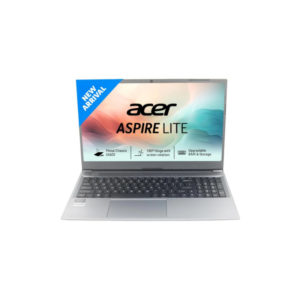
The Acer Windows Laptop is positioned as a mainstream everyday-use laptop that balances portability, decent performance, and affordability without trying to compete in the premium ultrabook or gaming category. Unlike ultra-budget mini laptops with weak processors and low-resolution displays, this configuration is actually practical for regular work, studies, multitasking, and moderate productivity usage.
The 15.6-inch Full HD display is one of the most important advantages here because 1920×1080 resolution is the real minimum standard for comfortable productivity today. It gives significantly better clarity, workspace, and viewing comfort compared to outdated 1366×768 panels. The larger screen size also makes multitasking, spreadsheets, content consumption, and online meetings much easier.
The SSD storage options up to 1TB are good for responsiveness and faster boot times, and having 8GB or 16GB RAM options makes a major difference depending on usage. The 8GB variant is enough for office work, browsing, streaming, and student tasks, while the 16GB version is the smarter long-term choice if you multitask heavily or use creative software. USB-C and HDMI ports improve practicality because many cheaper laptops still lack proper modern connectivity.
Now the important reality: “Intel dual-core” matters a lot here because not all Intel processors are equal. A modern high-efficiency dual-core chip can still handle regular tasks smoothly, but it won’t compete with newer quad-core or higher-end processors for demanding workloads. So while this laptop is suitable for office work, coding, presentations, content management, online classes, and moderate multitasking, it is not built for heavy gaming, advanced video editing, 3D rendering, or intensive professional creative workloads.
The 1.59 kg weight is fairly portable for a 15.6-inch machine, though not ultralight. It’s practical for college students, office users, remote workers, and general home usage without feeling bulky.
Overall, this category makes sense for users who want a dependable everyday Windows laptop with a proper Full HD screen, SSD speed, and enough RAM for real multitasking — without paying premium ultrabook prices. But buyers should focus heavily on the exact Intel processor generation before purchasing, because that will determine whether the laptop feels smooth for years or becomes slow after basic multitasking increases.
Acer Aspire Lite Intel Core I3 13th Gen 1305u

 Durable and stylish silver laptop featuring an anti-glare screen and long-lasting battery, ideal for travel and outdoor workspace environments.
All-Day Battery Life 14″ Portable Laptop
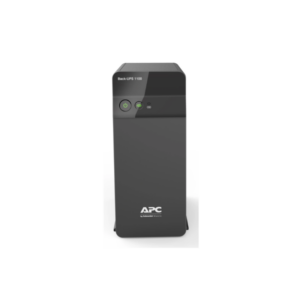
The APC Back-UPS 1100VA 230V India is a typical entry-to-mid-level UPS designed mainly for home and small office use, not anything heavy-duty. It offers a capacity of 1100VA / 660W, which means you can realistically run a desktop PC setup (CPU + monitor + router) for a short duration—roughly 30 to 90 minutes depending on load, but don’t expect the higher end unless your load is very light. The built-in Automatic Voltage Regulation (AVR) is actually useful—it stabilizes voltage fluctuations without switching to battery, which helps protect your devices in areas with unstable power (which is common in India).
Now the part most people misunderstand: this UPS uses a stepped sine wave output, not a pure sine wave. That’s fine for basic electronics like PCs, routers, and TVs, but if you’re planning to use it with high-end gaming PCs (with active PFC power supplies), sensitive audio gear, or anything premium—you might face noise, inefficiency, or even compatibility issues. So don’t assume it’s “universal.”
The battery setup (2x 7.2Ah lead-acid) is standard and cheap to replace, but also not long-lasting in harsh conditions—you’ll likely replace it every 2–3 years if used regularly. The 10 ms transfer time is decent, but not instant—again, fine for most devices, not for mission-critical setups.
Blunt reality: this UPS is good for basic backup and protection, not performance or long backup. If your expectation is “run my PC for hours” or “power my entire setup comfortably,” that’s unrealistic. It’s a safety net, not a power solution.
APC BX1100C-IN 1100VA Back UPS
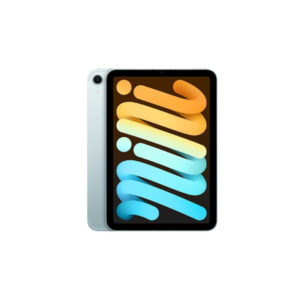
Capture stunning visuals and elevate your content creation with this powerful APS-C mirrorless camera from the Sony Alpha series. Designed for creators who demand performance and flexibility, it features a 24.2MP CMOS sensor paired with the advanced BIONZ X image processor, delivering sharp images, accurate colors, and impressive low-light performance with an ISO range of 100–32000.
The versatile 16–50mm zoom lens (24–75mm equivalent) makes it ideal for everything from wide-angle shots to close-up portraits. With a maximum aperture of f/3.5–5.6 and a fast shutter speed of up to 1/4000s, you get precise control over exposure in various lighting conditions.
Built for modern creators, this camera supports 4K video recording in XAVC S and AVCHD formats, ensuring high-quality footage for vlogging, filmmaking, or social media content. Real-time Eye AF, face detection, and advanced tracking autofocus keep your subjects sharp and in focus, even during movement.
Despite its compact and lightweight design (396g), it packs serious performance with continuous shooting up to 11 fps, making it perfect for capturing fast-action moments. The 3-inch tilting touchscreen LCD enhances usability for creative angles and easy navigation.
Stay connected and in control with built-in Wi-Fi and Bluetooth, enabling seamless file transfers and remote shooting via mobile devices. With USB charging support and a battery life of up to 420 shots, it’s built for creators on the move.
Whether you're a beginner stepping into photography or a content creator looking for a reliable hybrid camera, this model offers the perfect balance of performance, portability, and creative freedom.
Apple iPad mini (A17 Pro) Apple Intelligence, 21.08 cm (8.3″) Liquid Retina Display, 256GB, Wi-Fi 6E + 5G Cellular, 12MP Front12MP Back Camera, Touch ID, All-Day Battery Life — B
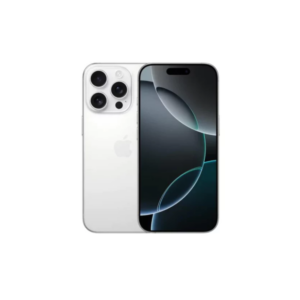
Experience next-level performance and premium design with this flagship smartphone from Apple. Crafted with a durable titanium body, it combines strength, elegance, and lightweight comfort, making it both powerful and refined in hand.
The expansive 6.9-inch OLED display delivers a stunning visual experience with a crisp 2868 × 1320 resolution, 458 ppi pixel density, and ultra-smooth 120Hz refresh rate. With peak brightness reaching 2000 nits, every detail stays clear and vibrant—even under direct sunlight.
Powered by the cutting-edge A18 Pro chip built on a 3nm architecture, this device ensures lightning-fast performance, seamless multitasking, and smooth AAA gaming. The advanced Apple GPU enhances graphics rendering, delivering console-level visuals right in your palm.
Capture professional-grade content with the advanced camera system featuring 5x optical zoom, up to 25x digital zoom, and support for 4K video recording at 120 fps with Dolby Vision. The quad-pixel sensor and dual-pixel PDAF ensure sharp, detailed shots, while multiple aperture options provide flexibility across different lighting conditions.
Stay connected anywhere with 5G support, Wi-Fi, Bluetooth, NFC, and satellite connectivity for emergencies beyond network coverage. The inclusion of eSIM enhances convenience and future-ready connectivity.
With up to 33 hours of video playback, a 4685 mAh battery, and support for fast wireless charging, this device is built to keep up with your day without compromise.
Security is seamless with Face ID, while features like the Action Button, stereo speakers, and studio-quality microphones elevate usability and content creation.
Running on iOS 18, it delivers a smooth, intuitive experience with powerful privacy features and optimized performance.
Designed for users who demand top-tier performance, cutting-edge technology, and premium craftsmanship, this smartphone sets a new benchmark in flagship innovation.
Apple Iphone 16 Pro Max (256 GB Storage, White Titanium)
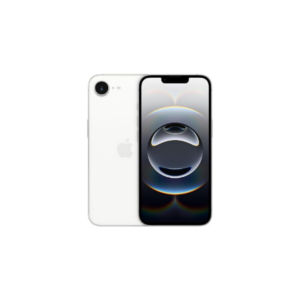
Step into the future with the Apple iPhone 16e, a powerful and intelligently designed smartphone built to deliver performance, durability, and seamless everyday usability.
At its core, the advanced A18 chip ensures lightning-fast performance, smooth multitasking, and long-term software support. Whether you're gaming, creating, or handling daily tasks, it’s engineered to keep up without slowing down.
The 6.1-inch Super Retina XDR display offers stunning clarity, vibrant colors, and sharp detail, all protected by a Ceramic Shield front that’s tougher than typical smartphone glass. It’s built to handle real-world usage without compromising on visual quality.
Capture exceptional photos with the 48MP Fusion camera, delivering ultra-high-resolution shots with rich detail. The integrated 2x optical-quality telephoto lets you zoom in without losing clarity, while the 12MP front camera ensures sharp, natural-looking selfies and video calls.
Battery life is where this device stands out—offering up to 26 hours of video playback, making it one of the longest-lasting 6.1-inch smartphones available. It’s designed to keep going without constantly reaching for a charger.
With Apple Intelligence built in, the phone enhances how you write, communicate, and get things done—keeping everything personal, private, and efficient. The customizable Action Button adds another layer of convenience, giving you instant access to your most-used features.
Running on iOS, the experience is smooth, secure, and optimized for performance across apps and updates.
If you want a compact smartphone that doesn’t compromise on power, camera quality, or battery life, this device delivers exactly that—without unnecessary extras.
Apple iPhone 16e 256 GB Built for Apple Intelligence, A18 Chip, Supersized Battery Life, 48MP Fusion. Camera, 15.40 cm (6.1″) Super Retina XDR Display; White
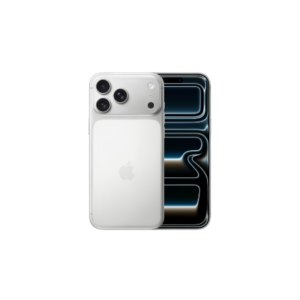
Experience next-level performance and design with the Apple iPhone 17 Pro Max—a flagship device engineered to push the boundaries of power, durability, and intelligence. Crafted with a heat-forged aluminium unibody, it delivers exceptional strength while enabling enhanced thermal efficiency for sustained high performance.
Built to last, the device features Ceramic Shield protection on both front and back, offering significantly improved resistance against drops and scratches. The upgraded front shield ensures superior durability, making it one of the toughest iPhones ever designed.
At its core lies the A19 Pro chip, delivering up to 40% better sustained performance, supported by advanced vapour cooling for smoother multitasking, gaming, and content creation. Combined with iOS, the experience is fluid, intuitive, and highly customizable, with enhanced lock screen features, smarter communication tools, and seamless system integration.
The smartphone introduces an ultimate pro camera system, featuring 48MP sensors across all rear cameras and up to 8x optical-quality zoom, offering unmatched versatility for photography and videography. The 18MP front camera with Center Stage enhances selfies and enables features like Dual Capture video, allowing simultaneous recording from front and rear cameras.
Designed for endurance, it offers the best battery life in any iPhone, delivering up to 37 hours of video playback, along with fast charging that reaches 50% in just 20 minutes. Connectivity is faster and more reliable than ever with support for Wi-Fi 7, 5G, Bluetooth 6, and eSIM.
With Apple Intelligence, the device becomes more personal and powerful, helping you write, create, and manage tasks effortlessly while maintaining privacy. Essential safety features like Crash Detection add an extra layer of protection by automatically contacting emergency services when needed.
Combining cutting-edge performance, advanced camera capabilities, and premium durability, the iPhone 17 Pro Max sets a new standard for modern smartphones.
Apple iPhone 17 Pro Max 2 TB 17.42 cm (6.9″) Display with Promotion, A19 Pro Chip, Best Battery Life in Any iPhone Ever, Pro Fusion Camera System, Center Stage Front Camera; Silver
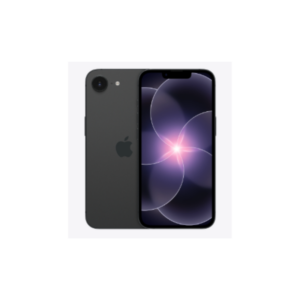
Get the essential iPhone experience at a more accessible price with the Apple iPhone 17e—a smart balance of performance, durability, and everyday usability. Designed to deliver many of the core features of the iPhone 17 lineup, it brings premium capabilities without the premium cost.
Built with Ceramic Shield 2, the device offers enhanced scratch resistance and improved durability, making it reliable for daily use. Powered by the latest A19 chip, it ensures smooth performance across apps, multitasking, and everyday operations, all running seamlessly on iOS.
Capture stunning photos with the 48MP Fusion rear camera, delivering detailed shots with rich colors and clarity. The 12MP front camera is perfect for selfies and video calls, supported by advanced image processing for natural results.
Featuring a 6.1-inch display, the iPhone 17e provides a comfortable viewing experience for browsing, streaming, and social media. With 5G connectivity, you get faster downloads, smoother streaming, and reliable network performance.
Designed for convenience, it supports MagSafe wireless charging and USB-C, offering faster and more flexible charging options. Available in storage options starting from 256GB, it ensures ample space for apps, photos, and videos.
Security is seamless with facial recognition, while its clean design—available in Black, White, and Soft Pink—adds a modern, minimal aesthetic.
Delivering powerful features, solid performance, and premium essentials at a competitive price, the iPhone 17e is a practical choice for those who want a lot of iPhone without overspending.
Apple iPhone 17e
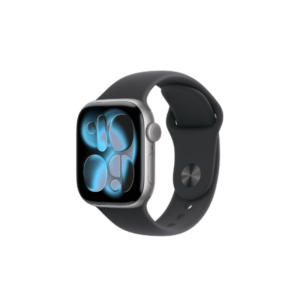
The Apple Watch Series 11 is designed to function as a personal health and fitness companion, not a smartphone. It delivers continuous health insights such as heart rate monitoring, irregular rhythm alerts, and sleep tracking with a detailed sleep score to help you understand recovery and daily readiness.
Fitness tracking goes beyond basic step counts, offering advanced workout metrics and real-time coaching through Workout Buddy, powered by Apple Intelligence when paired with a nearby iPhone. Whether you're training or just trying to stay consistent, it provides actionable data instead of vague summaries.
With up to 24 hours of battery life, it’s built for all-day wear, including workouts and sleep tracking. Cellular connectivity allows you to stay connected—calls, messages, and data—without needing your phone constantly nearby, though calling it “5G performance” is misleading in real-world usage for a smartwatch.
The design is water-resistant and built for everyday durability, with multiple color options to match different styles. Wireless charging adds convenience, making it easy to top up without cables.
What it does not have: a 6.1-inch display, rear cameras, or typical smartphone hardware. Those specs in your input are flat-out incorrect.
Bottom line: this is a health-first wearable with smart connectivity features, not a replacement for your phone. If you present it like a smartphone, you’ll lose credibility immediately.
Apple Watch Series 11
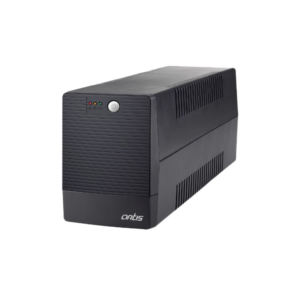
The Artis 1500VA Line Interactive UPS looks attractive on paper mainly because of the higher 1500VA rating, but you need to understand what that actually means before assuming it’s “better.” A 1500VA UPS typically gives around 900W usable power (depending on power factor), so yes—it can handle a slightly heavier setup than a basic 1100VA unit. That makes it more suitable for a desktop with a bigger PSU, dual monitors, or a small home office setup.
It comes with standard features like AVR (voltage stabilization), cold start, and an LCD display showing load and battery status, which is genuinely useful. The “up to 75 minutes backup” claim is technically possible—but only under very light load (like just a router or low-power PC). If you connect a high-performance PC, don’t expect more than 10–20 minutes. That’s the reality they don’t highlight.
Now the part you shouldn’t ignore: Artis is not in the same reliability league as brands like APC. Build quality, battery consistency, and long-term durability can be hit or miss. Also, like most UPS in this price range, it uses a stepped sine wave, not pure sine wave—so again, not ideal for high-end gaming rigs or sensitive equipment.
Bottom line: if you want more capacity at a lower price, this is a practical choice. But if you care about long-term reliability and consistent performance, you’re compromising compared to premium brands.
Artis 1500VA Line Interactive UPS
Electronics
Risus commodo viverra maecenas accumsan
lacus vel facilisis.