
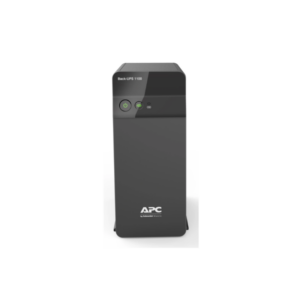
The APC Back-UPS 1100VA 230V India is a typical entry-to-mid-level UPS designed mainly for home and small office use, not anything heavy-duty. It offers a capacity of 1100VA / 660W, which means you can realistically run a desktop PC setup (CPU + monitor + router) for a short duration—roughly 30 to 90 minutes depending on load, but don’t expect the higher end unless your load is very light. The built-in Automatic Voltage Regulation (AVR) is actually useful—it stabilizes voltage fluctuations without switching to battery, which helps protect your devices in areas with unstable power (which is common in India).
Now the part most people misunderstand: this UPS uses a stepped sine wave output, not a pure sine wave. That’s fine for basic electronics like PCs, routers, and TVs, but if you’re planning to use it with high-end gaming PCs (with active PFC power supplies), sensitive audio gear, or anything premium—you might face noise, inefficiency, or even compatibility issues. So don’t assume it’s “universal.”
The battery setup (2x 7.2Ah lead-acid) is standard and cheap to replace, but also not long-lasting in harsh conditions—you’ll likely replace it every 2–3 years if used regularly. The 10 ms transfer time is decent, but not instant—again, fine for most devices, not for mission-critical setups.
Blunt reality: this UPS is good for basic backup and protection, not performance or long backup. If your expectation is “run my PC for hours” or “power my entire setup comfortably,” that’s unrealistic. It’s a safety net, not a power solution.
APC BX1100C-IN 1100VA Back UPS
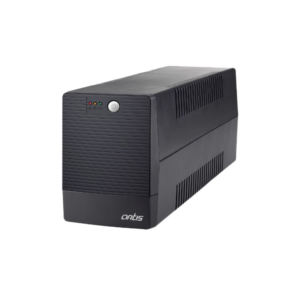

The Artis 1500VA Line Interactive UPS looks attractive on paper mainly because of the higher 1500VA rating, but you need to understand what that actually means before assuming it’s “better.” A 1500VA UPS typically gives around 900W usable power (depending on power factor), so yes—it can handle a slightly heavier setup than a basic 1100VA unit. That makes it more suitable for a desktop with a bigger PSU, dual monitors, or a small home office setup.
It comes with standard features like AVR (voltage stabilization), cold start, and an LCD display showing load and battery status, which is genuinely useful. The “up to 75 minutes backup” claim is technically possible—but only under very light load (like just a router or low-power PC). If you connect a high-performance PC, don’t expect more than 10–20 minutes. That’s the reality they don’t highlight.
Now the part you shouldn’t ignore: Artis is not in the same reliability league as brands like APC. Build quality, battery consistency, and long-term durability can be hit or miss. Also, like most UPS in this price range, it uses a stepped sine wave, not pure sine wave—so again, not ideal for high-end gaming rigs or sensitive equipment.
Bottom line: if you want more capacity at a lower price, this is a practical choice. But if you care about long-term reliability and consistent performance, you’re compromising compared to premium brands.
Artis 1500VA Line Interactive UPS
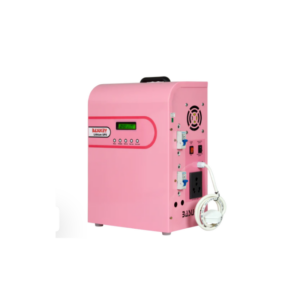 This 500VA 400W Lithium-ion Pure Sine Wave Inverter is a very small-capacity backup system, and you shouldn’t mistake it for a full inverter solution. On paper, it offers pure sine wave output—which is good because it gives clean, stable power for sensitive electronics—but the real limitation is the 400W load capacity. That means it can handle basics like a router, a couple of lights, maybe a laptop or a small TV, but anything beyond that—like a desktop PC with a monitor, multiple fans, or a fridge—is either going to overload it or drain it very quickly. The lithium-ion battery makes it compact, low-maintenance, and faster charging compared to traditional inverter batteries, and the wall-mount design keeps it neat and space-saving. But capacity is king in backup systems, and this one simply doesn’t have enough of it. In real usage, expect short backup durations and strict limits on what you can run. So this only makes sense if your need is minimal backup for a few essential devices; if you’re expecting proper home backup or multi-device usage, this will fall short almost immediately.
Basukey Lithium UPS BD5OO
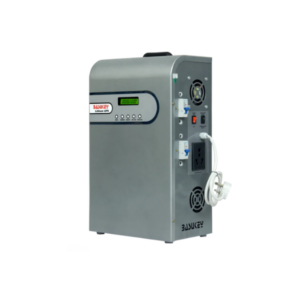
This setup is a completely different league compared to those UPS units—and if you think they’re comparable, you’re mixing up two very different categories.
The 1000W Pure Sine Wave Lithium-ion Inverter System is essentially a full inverter + battery backup system, not a short-term UPS. With a 1000W output and a 100Ah lithium-ion battery, you’re looking at hours of backup, not minutes. For example, even with a 200–300W load (PC + fan + lights), you could easily get 3–5+ hours, depending on efficiency and usage. That’s something no small UPS can touch.
The biggest advantage here is the pure sine wave output—this is critical. It means clean, stable power, safe for high-end PCs, gaming rigs, TVs, and sensitive electronics. No weird buzzing, no compatibility issues like you get with cheap stepped sine wave UPS systems.
The lithium-ion battery is another major upgrade. It lasts longer, charges faster, and handles deeper discharge cycles compared to traditional lead-acid batteries used in UPS systems. You’re also getting proper protections—overload, short circuit, surge—which makes it far more robust for real-world use.
Basukey Lithium UPS BG1250
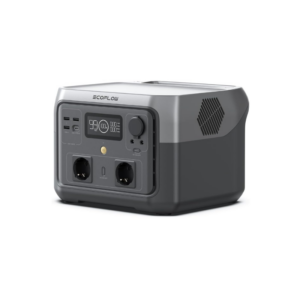 The EF ECOFLOW RIVER 2 Max Portable Power Station is a compact and premium portable power solution designed for convenience rather than long backup duration. It comes with a 512Wh LiFePO4 battery, which is durable and can last for years with regular use, and it supports fast charging that can fully recharge the unit in about an hour, making it one of the quickest in its category. With an output of up to 1000W, it can run essential devices like laptops, routers, small appliances, and even some heavier electronics for short periods, while offering multiple ports including AC outlets and USB-C for flexibility. However, the limitation is clear: because of its relatively smaller battery capacity, it cannot provide long backup during extended power cuts, especially if you’re running power-hungry devices. This means it’s best suited for short-term backup, travel, or portable usage rather than being a full home power solution.
EF ECOFLOW Portable Power Station River 2 Max
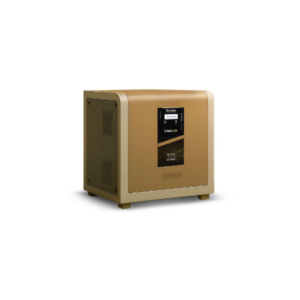
The Genus 1280Wh Lithium-ion Power Backup System sits somewhere between a UPS and a full inverter—but don’t confuse it with either blindly.
This is basically a portable power station with a 1280Wh lithium-ion battery. That means if your load is around 100W (router + laptop + light), you can realistically get 10–12 hours. Push it to 300–400W (desktop + monitor + fan), and you’re looking at roughly 2–4 hours. So yes, it gives real backup time—far better than a UPS—but still less than a big inverter + 100Ah battery setup.
The lithium-ion battery with BMS is a strong point: safer, longer lifespan, and less maintenance than lead-acid systems. It’s also compact, portable, and easy to install—no wiring headache, no separate battery management. That’s where it beats traditional inverters.
But here’s where you need to be realistic:
- It’s capacity-limited. Once that 1280Wh is used, you’re done—no scaling like inverter systems.
- Output power isn’t mentioned clearly here, but these units usually cap around 600–1000W max—so don’t expect to run heavy appliances.
- It’s great for light to moderate usage, not full home backup.
Straight comparison so you don’t fool yourself:
- UPS → 5–10 mins backup (shutdown purpose)
- This Genus system → few hours backup (portable + clean solution)
- Full inverter (100Ah+) → long backup + expandable + heavy-duty use
Genus MaxiLion 1000 VA Inverter with Upto 12 Year Life Integrated 1280Wh Lithium-Ion
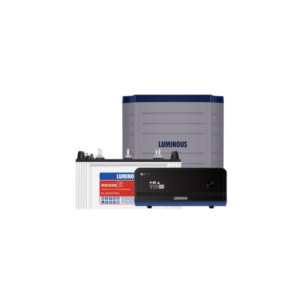 The Luminous Zelio+ 1100 Inverter with 120Ah Battery Combo is a proper home backup solution, not a temporary or portable fix like the smaller power stations you were looking at earlier. It delivers up to around 756W usable load with pure sine wave output, which means it can safely run everyday appliances like fans, lights, a TV, and even a refrigerator without stressing the devices or causing noise issues. The included 120Ah tubular battery is the real strength here, because it provides several hours of backup depending on how much load you put on it, making it suitable for typical Indian power cuts rather than just emergency shutdowns. The system is designed for stability and long-term use, with decent battery life, water level indicators for maintenance, and a trolley setup that makes installation manageable even though it’s not portable. However, this is still a single-battery inverter, so expecting it to run heavy loads like ACs or high-end gaming setups for long is unrealistic, and it does require periodic maintenance unlike lithium-based systems. Overall, this is a reliable, practical choice if your goal is consistent home backup for essential appliances, and it makes far more sense than smaller units if you actually need hours of uninterrupted power.
Home UPS 900VA Zelio WIFI 1100 Battery 120 Ah RC15000
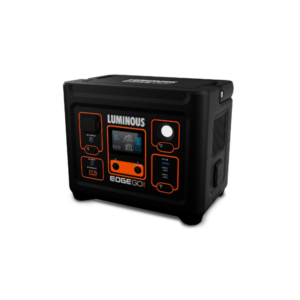 The Luminous Edge GO P700 Portable Power Station is a compact, entry-level portable backup option designed more for convenience than serious power needs. With a 288Wh LiFePO4 battery and a 500W output limit, it can comfortably handle small devices like laptops, routers, phones, cameras, and even a small TV or fan for a short duration, but that’s where the capability stops. In real-world use, you’re looking at a few hours of backup for light loads and barely 1–2 hours if you push it closer to its limits, so expecting it to support a full desktop setup or multiple appliances for long is unrealistic. The LiFePO4 battery is a strong point, offering better safety and longer lifespan compared to regular lithium-ion, and the multiple ports along with AC and car charging make it flexible and easy to use without installation. However, the limited capacity means it’s not meant for prolonged power cuts or heavy usage scenarios. Overall, this is a practical choice for portability, travel, and basic backup, but if your goal is reliable, long-duration home power, this will fall short very quickly.
Luminous Edge GO P700 Portable Power Station 500W Output 288 Wh
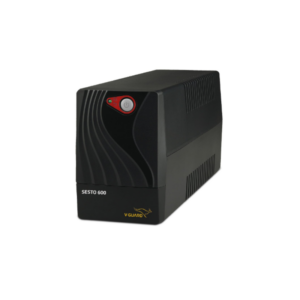 This 600VA 300W Line Interactive UPS is a basic, no-frills UPS meant strictly for short-term backup and device protection, not actual power continuity. With a 300W limit, it’s only suitable for a single low-power setup like a desktop with a small monitor or just a router and a few peripherals. The 10–15 minutes runtime at full load tells you everything—you’re not meant to “use” your devices during a power cut, just safely save your work and shut down. It does include useful essentials like AVR to handle voltage fluctuations, cold start, and generator compatibility, which helps in unstable power conditions, but that doesn’t change its core limitation. The lead-acid battery is standard at this level, meaning cheaper replacement but also shorter lifespan and maintenance compared to lithium options. So if you’re expecting anything beyond emergency backup—like running your setup for extended periods—this will disappoint immediately. It’s a safety buffer, not a power solution.
V-Guard Sesto 600 UPS for Power Backup & Protection