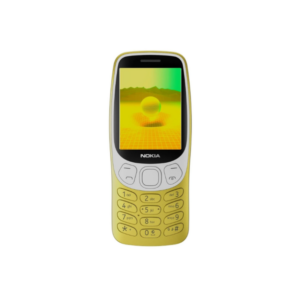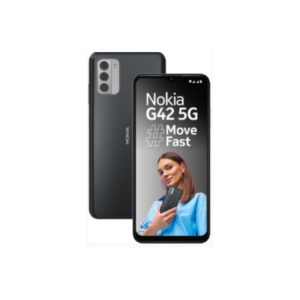
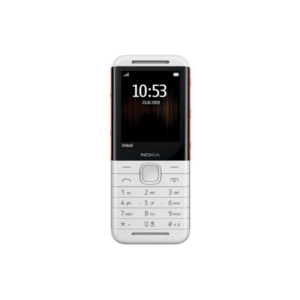

A stripped-down feature phone built for basic communication and long-lasting use, not for modern smartphone expectations. It comes with a compact 2.4-inch TFT display with a simple 240 × 320 resolution, no touchscreen, and no brightness control—so what you see is what you get. The classic T9 keypad and physical buttons keep navigation straightforward, especially for users who prefer tactile input over touch.
The 2 MP single rear camera with fixed focus and no flash is purely functional. It can capture basic shots, but anything beyond daylight photos will fall apart quickly. Video recording is limited to QCIF, which is outdated by any current standard.
Battery performance is where this device actually holds value. A 1200 mAh removable battery delivers up to 18 days of standby and around 5 hours of talk time, making it reliable for long gaps between charges. It also supports music playback for extended hours, which aligns with its positioning as a simple media device.
Connectivity is minimal—2G network support only, with no Wi-Fi, GPS, or NFC. Bluetooth 2.0 is included, but it’s old and slow. Dual SIM support adds flexibility, and expandable storage via microSD lets you carry music and basic files. The inclusion of a 3.5 mm headphone jack and FM radio makes it usable as a basic music companion.
Built with a lightweight plastic body and curved edges, it’s easy to handle but not rugged. There’s no water resistance or durability certification, so it won’t survive rough use.
Bottom line: this is a barebones phone meant for calling, texting, and offline music—not for internet, apps, or anything remotely “smart.” It works best as a backup phone, a distraction-free device, or for users who simply don’t need modern features.
Nokia 5310 Dual SIM Keypad Phone with MP3 Player, and Rear Camera (White, Red)
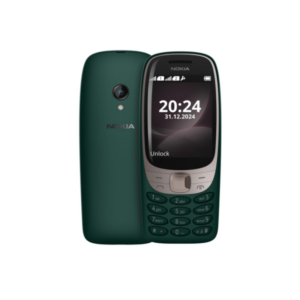
This is a classic feature phone built for simplicity, reliability, and long battery life—not for modern smartphone-level performance.
It comes with a basic 0.3 MP rear camera paired with an LED flash, capable of recording up to 1080p video. In reality, the camera is purely functional and limited—no zoom capability and minimal detail—meant for occasional use rather than serious photography.
The device features a compact 2.8-inch QVGA LCD display with a curved design and physical keypad, making it ideal for users who prefer tactile controls over touchscreens. Running on the S30+ operating system, it delivers a straightforward, no-frills interface focused on calling, texting, and essential tools.
Where it stands out is battery performance. With an 1150 mAh removable battery, it can last up to nearly three weeks on light usage, thanks to its low-power hardware. This makes it highly dependable for travel, backup usage, or environments where charging frequently isn’t practical.
Connectivity is limited to 2G networks, with support for Bluetooth 5.0, basic internet features, FM radio, and expandable storage via microSD. It includes practical additions like a 3.5 mm headphone jack, loudspeaker, and dual SIM support.
Built with a durable polycarbonate shell and weighing just 98 grams, the phone is lightweight and sturdy, designed to handle everyday rough use without concern.
Overall, this device is not trying to compete with smartphones. It’s built for users who want a distraction-free experience, long battery life, and essential communication—nothing more, nothing less.
Nokia 6310 Dual SIM Keypad Phone with a 2.8” Screen, Wireless FM Radio and Rear Camera with Flash 1 Year Replacement Guarantee Green
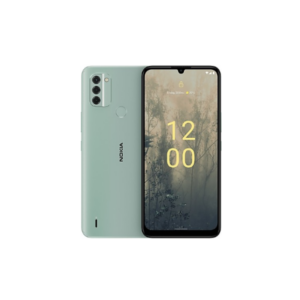
This smartphone is designed for basic, everyday use, focusing on practicality over performance. It features a triple rear camera setup with a 13 MP primary sensor supported by two 2 MP lenses, suitable for casual photography in good lighting conditions. On the front, a 5 MP camera handles selfies and video calls, though expectations should be modest in terms of detail and low-light performance.
Powered by 3 GB RAM and 32 GB internal storage, the device is clearly positioned for light usage—calls, messaging, social media, and simple apps. It’s not built for heavy multitasking or gaming, and storage will fill up quickly unless managed carefully.
The phone carries a large 5050 mAh Li-Polymer battery, which is the strongest part of the package. Combined with low-power hardware, it can comfortably last a full day or more on moderate usage, making it reliable for users who prioritize battery life over speed.
In terms of design, it comes in a Mint color option with a slim profile measuring 169.2 x 77.9 x 8.6 mm, offering a clean and minimal look. The device is backed by a 1-year manufacturer warranty, covering standard usage issues.
Overall, this is an entry-level smartphone built for users who need a dependable device for basic tasks. It cuts corners on performance and camera quality, but compensates with strong battery life and simple usability.
Nokia C31 32 GB (Mint, 3 GB RAM)
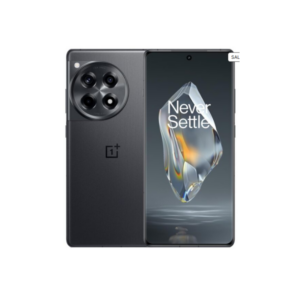
Built for performance-heavy users and gamers, the OnePlus 12R focuses on speed, battery endurance, and an immersive display without unnecessary extras.
The 6.78-inch curved AMOLED display delivers a sharp 2780 × 1264 resolution with 450 ppi density. With a 120Hz refresh rate, HDR10+, Dolby Vision support, and up to 1600 nits brightness, it ensures smooth visuals and strong clarity whether you're gaming, streaming, or browsing.
Powered by the Snapdragon 8 Gen 2 processor and paired with UFS 3.1 storage, it handles intensive tasks, high-end gaming, and multitasking without lag. Running on Android 14, the experience is fluid and optimized for consistent performance.
Battery is a major strength. The 5500 mAh capacity supports extended usage, and fast charging delivers up to two days of power with just a short charge cycle. While it skips wireless charging, the wired charging speed compensates heavily.
The triple-camera setup, led by a Sony IMX890 sensor, focuses on reliable photography with features like Night Mode and Portrait Mode. The 16MP front camera handles basic selfies and video calls without overpromising.
Connectivity is future-ready with 5G, Wi-Fi 7, Bluetooth 5.3, NFC, and dual SIM support. Additional practical features like the alert slider and IR blaster add everyday convenience.
The design combines a premium glass back with an aluminum frame, along with a curved display for a modern look. With IP64 protection, it handles basic dust and splash resistance while maintaining a solid build at 207g.
If your priority is raw performance, long battery life, and a high-quality display—especially for gaming—this device delivers exactly that without distractions.
OnePlus 12R (Iron Gray, 8 GB RAM, 256 GB Storage
Built for speed, display quality, and raw performance, the OnePlus 9RT delivers a flagship-level experience focused on power users and everyday reliability.
The 6.55-inch Fluid AMOLED display offers a crisp 1080 × 2400 resolution with 402 ppi density, delivering vibrant colors and sharp detail. With a 120Hz refresh rate and peak brightness of 1100 nits, it ensures smooth scrolling and solid visibility across different lighting conditions.
Powered by the Snapdragon 888 processor, this device handles demanding apps, multitasking, and gaming without hesitation. Combined with UFS 3.1 storage, it ensures fast load times and responsive performance throughout.
The triple rear camera system is built for versatility, supporting high-resolution photography along with 8K video recording at 30 fps. Features like Night Mode, Portrait Mode, and Pro Mode give users flexibility without overcomplicating the shooting process. The 16MP front camera delivers consistent results for selfies and video calls.
Battery performance is dependable, with a 4500 mAh capacity delivering up to 23 hours in rundown tests. It supports fast and efficient charging with the included Warp Charge 65T charger, along with wireless charging for added convenience.
Connectivity is fully modern with 5G support, Wi-Fi 6, Bluetooth 5.2, NFC, and dual SIM functionality. The device also includes practical elements like stereo speakers, noise-cancelling microphones, and the signature alert slider for quick sound profile control.
The build combines Gorilla Glass 5 protection with a clean, flat display design, maintaining a balanced weight of 192g for comfortable handling.
If your priority is raw performance, a smooth display, and a straightforward Android experience without gimmicks, this device delivers exactly that.
OnePlus 9 5G
The Sony Alpha 6400 is a compact yet powerful mirrorless camera designed to deliver professional-grade performance in a lightweight body. Built around a 24.2 MP APS-C Exmor CMOS sensor and powered by the BIONZ X image processor, it produces sharp, detailed images with accurate colour reproduction and enhanced noise reduction, even in challenging lighting conditions.
With an ISO sensitivity range starting from 100 and extending up to 32000, the camera handles a wide variety of shooting environments, from bright daylight to low-light scenes. The fast autofocus system, covering approximately 84% of the frame, features Real-time Eye AF and Real-time Tracking, ensuring precise subject detection and consistent focus for both stills and video.
The included 16–50mm zoom lens (24–75mm equivalent) offers versatility for everyday shooting, from wide-angle landscapes to close-up portraits. A maximum shutter speed of 1/4000 sec and continuous shooting up to 11 fps make it capable of capturing fast-moving subjects with ease.
For video creators, the camera supports 4K recording using the full width of the sensor, delivering high-resolution footage with rich detail. It also includes time-lapse recording and high-speed shooting features, making it suitable for dynamic content creation.
The 3-inch tilting touchscreen LCD enhances usability for creative angles and vlogging, while the built-in electronic viewfinder with 2.36M-dot resolution provides a clear and immersive shooting experience. Wireless connectivity via Wi-Fi and Bluetooth enables quick file transfers and remote control functionality.
Despite its compact size, the camera features a durable magnesium alloy construction with weather sealing, making it reliable for outdoor use. With a battery life of approximately 360 shots and USB charging support, it is built for convenience on the go.
Overall, the Sony Alpha 6400 balances portability, speed, and imaging performance, making it a strong choice for photographers and content creators looking for a versatile mirrorless system.
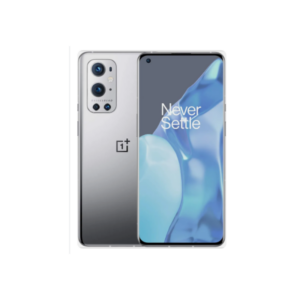
OnePlus 9 Pro 128 GB
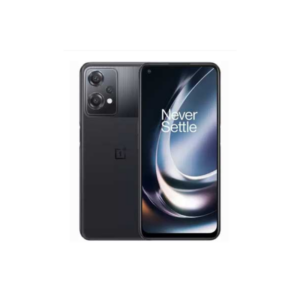
The OnePlus smartphone is built for users who want a straightforward 5G device focused on essential performance without unnecessary complexity.
Equipped with 6GB RAM, it handles everyday tasks like browsing, social media, and app usage with stable performance. The 128GB internal storage provides enough space for daily apps, media, and files without immediate need for cleanup.
With 5G connectivity, the device ensures faster data speeds and smoother online experiences, making it ready for modern network demands.
Designed as a single SIM smartphone, it keeps things simple and focused, ideal for users who don’t need dual SIM flexibility.
If your priority is a clean, basic smartphone experience with reliable performance and 5G support, this device delivers exactly that—no extras, no complications.
OnePlus Nord CE 2 Lite 5G 6GB RAM, 128GB Storage (Any color)
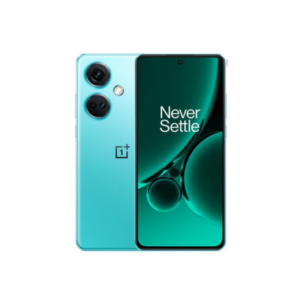
The OnePlus Nord CE3 5G is built for users who want a balanced smartphone that delivers strong performance, smooth visuals, and reliable camera output without overcomplicating things.
The 6.7-inch FHD+ AMOLED display offers a crisp 1080 × 2412 resolution with a 120Hz refresh rate, ensuring fluid scrolling and responsive interactions. Whether you're streaming or gaming, the visuals stay sharp and smooth.
Performance is handled by the Qualcomm Snapdragon 782G processor paired with 8GB RAM, giving you stable multitasking and lag-free everyday usage. Combined with UFS 3.1 storage and 128GB capacity, app loading and file access remain quick and efficient.
The triple-camera setup is built around a 50MP Sony IMX890 sensor, supported by an 8MP ultra-wide and a 2MP macro lens. It delivers consistent, detailed photos across different lighting conditions, while the 16MP front camera ensures clear selfies and video calls. 4K video recording adds flexibility for content creation.
Battery life is a strong point, with a 5000 mAh capacity that comfortably supports full-day usage. The 80W fast charging significantly reduces downtime, pushing the battery from low to usable levels in minutes.
Audio and interaction are enhanced with dual stereo speakers, Dolby Atmos support, and an X-axis linear motor for precise haptic feedback—especially noticeable during gaming.
Connectivity is fully modern with 5G support, Wi-Fi 6, Bluetooth 5.2, NFC, and dual SIM capability. Additional features like an under-display fingerprint sensor and IR blaster add practical everyday utility.
Weighing 184g and built with a clean, functional design, it strikes a balance between performance, usability, and comfort.
If you're looking for a well-rounded smartphone that covers performance, display quality, battery life, and camera reliability without unnecessary extras, this delivers exactly that.
Oneplus Nord Ce3 5g
The Sony Alpha a6400 is a compact yet powerful mirrorless camera engineered for creators who want professional-level performance without the bulk. Despite its lightweight build, it delivers fast, reliable performance and advanced imaging capabilities that rival full-frame systems.
At its core is a 24.2MP APS-C Exmor CMOS sensor paired with the BIONZ X processor, producing sharp, detailed images with natural colours and excellent low-light performance. With an ISO range up to 32000 and a fast 1/4000 sec shutter speed, it handles everything from bright outdoor scenes to challenging lighting conditions with ease.
Designed for both photography and video, the camera supports stunning 4K recording using the full width of the sensor, ensuring high-resolution footage with minimal crop. Real-time Eye AF and advanced subject tracking keep focus locked precisely where it matters, making it ideal for portraits, vlogging, and action shots.
The included 16–50mm zoom lens (24–75mm equivalent) offers versatile framing for everyday shooting, while the tilting 3-inch touchscreen makes composing shots and selfies effortless. Built-in Wi-Fi and Bluetooth allow seamless sharing and remote control via mobile devices.
Housed in a durable magnesium alloy body with weather sealing, the a6400 is built for on-the-go shooting. With up to 360 shots per charge, 11 fps continuous shooting, and a compact form factor, it’s a reliable companion for travel, content creation, and everyday photography.
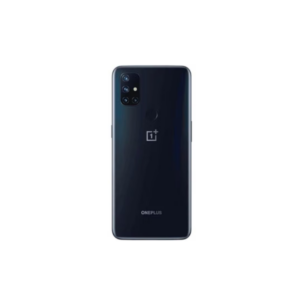
OnePlus Nord N10 5G
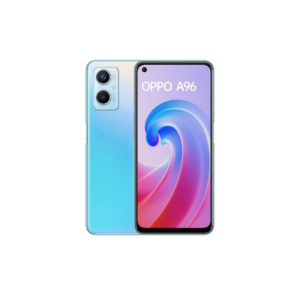
The OPPO F21 Pro in Sunset Blue is a stylish mid-range smartphone that focuses more on design and balanced everyday performance than raw power. It features a 6.59-inch Full HD+ display that delivers sharp visuals and a comfortable viewing experience for browsing, streaming, and casual gaming. Powered by the Snapdragon 680 processor paired with 8GB RAM, the phone handles daily tasks like social media, multitasking, and light gaming smoothly, but it’s not built for heavy gaming or high-performance workloads. The 50MP main camera captures clear and detailed photos in good lighting, while the 16MP front camera is reliable for selfies and video calls, though low-light performance is fairly average.
The 5000mAh battery is a strong point, easily lasting a full day with moderate use, making it dependable for daily routines. It also retains practical features like a 3.5mm headphone jack and expandable storage up to 256GB, which many newer phones are starting to drop. Overall, this phone is a solid pick if you want a good-looking device with stable performance and strong battery life, but if you’re expecting top-tier performance or standout camera quality, this one plays it safe rather than pushing limits.
Oppo A96 (Sunset Blue, 8GB RAM, 128 Storage)
Electronics
Risus commodo viverra maecenas accumsan
lacus vel facilisis.