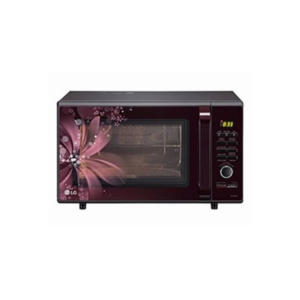
 The 28L Convection Microwave Oven is a mid-sized convection microwave designed for families that want a more versatile cooking appliance capable of baking, grilling, reheating, and specialized cooking functions. With a 28-liter capacity, it offers noticeably more usable space than compact 20L models, making it better suited for 4–6 members and larger dishes. This size is practical for baking cakes, pizzas, casseroles, grilling chicken, and handling heavier daily cooking without feeling cramped. The convection mode allows proper baking and roasting, while the 900W microwave power ensures reasonably fast reheating and cooking performance. One of the more unusual features here is the pasteurized milk mode, which is useful for households that regularly boil or process milk and want controlled heating without constant monitoring. The motorized rotisserie is another major advantage because it enables even grilling and roasting, especially for chicken, paneer, kebabs, or vegetables. It also includes steam cleaning for easier maintenance, a child lock for safety, and a stainless-steel interior that improves durability and hygiene. The tact dial controls are simpler and often more reliable long term than fully touch-based systems, especially in Indian kitchens where moisture and oil exposure can affect touch panels over time. The included roti basket suggests the microwave is targeting Indian cooking habits more directly instead of focusing only on Western baking use cases. Now the important reality check: convection microwaves like this are excellent all-rounders, but they still involve compromise. They can bake and grill well enough for most home users, but dedicated OTGs still outperform them for serious baking consistency and larger batch cooking. Also, the claimed 62 kg weight is clearly unrealistic for a microwave and is most likely a listing/specification error. In practical use, this category works best for families wanting one appliance that can handle reheating, Indian cooking, occasional baking, and grilling without buying separate devices.
LG 28 L Convection

The 28L Convection Microwave Oven is a mid-sized convection microwave designed for families that want a more versatile cooking appliance capable of baking, grilling, reheating, and specialized cooking functions. With a 28-liter capacity, it offers noticeably more usable space than compact 20L models, making it better suited for 4–6 members and larger dishes. This size is practical for baking cakes, pizzas, casseroles, grilling chicken, and handling heavier daily cooking without feeling cramped.
The convection mode allows proper baking and roasting, while the 900W microwave power ensures reasonably fast reheating and cooking performance. One of the more unusual features here is the pasteurized milk mode, which is useful for households that regularly boil or process milk and want controlled heating without constant monitoring. The motorized rotisserie is another major advantage because it enables even grilling and roasting, especially for chicken, paneer, kebabs, or vegetables.
It also includes steam cleaning for easier maintenance, a child lock for safety, and a stainless-steel interior that improves durability and hygiene. The tact dial controls are simpler and often more reliable long term than fully touch-based systems, especially in Indian kitchens where moisture and oil exposure can affect touch panels over time. The included roti basket suggests the microwave is targeting Indian cooking habits more directly instead of focusing only on Western baking use cases.
Now the important reality check: convection microwaves like this are excellent all-rounders, but they still involve compromise. They can bake and grill well enough for most home users, but dedicated OTGs still outperform them for serious baking consistency and larger batch cooking. Also, the claimed 62 kg weight is clearly unrealistic for a microwave and is most likely a listing/specification error. In practical use, this category works best for families wanting one appliance that can handle reheating, Indian cooking, occasional baking, and grilling without buying separate devices.
LG 28 L Convection
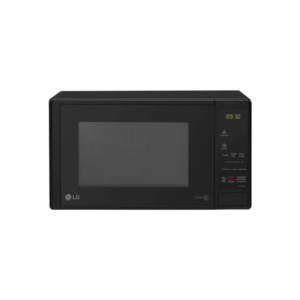
The 20L Solo Microwave Oven is a basic solo microwave focused on convenience cooking, reheating, and defrosting rather than baking or grilling. It is best suited for bachelors, small families, or users who mainly want a fast and simple way to heat food daily without spending extra money on convection features they may never use. The 20-liter capacity is standard for this category and works fine for regular plates, bowls, and medium-sized containers.
It offers 700W cooking power, which is average but adequate for reheating meals, beverages, frozen food, popcorn, noodles, and simple microwave recipes. The inclusion of 28 Indian dishes and 44 auto-cook menu options makes it more beginner-friendly because users can cook or heat common dishes without manually adjusting settings every time. Features like defrost mode and reheating mode improve convenience for daily kitchen use.
The touch membrane keypad and side-swing glass door give it a more modern appearance compared to old dial-based solo microwaves, while the anti-bacterial cavity helps reduce odor and makes cleaning easier. Child lock and energy-saving features add some practical safety benefits as well.
But here’s the important limitation that many buyers ignore: this is still only a solo microwave. It cannot grill, bake cakes properly, roast chicken, or make crispy pizzas the way a convection microwave or OTG can. Marketing terms like “auto cook menu” often confuse buyers into expecting oven-like functionality, but internally it’s still just microwave heating. So if your real goal is baking or grilling, this category will disappoint you quickly.
This type of microwave makes sense only if your primary needs are reheating, defrosting, quick convenience cooking, and simple daily usage with minimal learning curve.
LG Solo
 5G speed. A14 Bionic, the fastest chip in a smartphone. An edge-to-edge OLED display. Ceramic Shield with four times better drop performance.
- 6.1-inch Super Retina XDR display2
- Ceramic Shield, tougher than any smartphone glass
- 5G for superfast downloads and high-quality streaming
All the Power You Expect, without the Cord. Go where ambition takes you with the Cordless Hand Mixer from KitchenAid.Lightning to USB-A Cable + Strap, Silver
₹25.19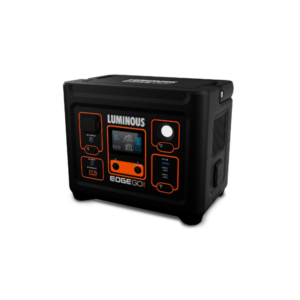 The Luminous Edge GO P700 Portable Power Station is a compact, entry-level portable backup option designed more for convenience than serious power needs. With a 288Wh LiFePO4 battery and a 500W output limit, it can comfortably handle small devices like laptops, routers, phones, cameras, and even a small TV or fan for a short duration, but that’s where the capability stops. In real-world use, you’re looking at a few hours of backup for light loads and barely 1–2 hours if you push it closer to its limits, so expecting it to support a full desktop setup or multiple appliances for long is unrealistic. The LiFePO4 battery is a strong point, offering better safety and longer lifespan compared to regular lithium-ion, and the multiple ports along with AC and car charging make it flexible and easy to use without installation. However, the limited capacity means it’s not meant for prolonged power cuts or heavy usage scenarios. Overall, this is a practical choice for portability, travel, and basic backup, but if your goal is reliable, long-duration home power, this will fall short very quickly.
Luminous Edge GO P700 Portable Power Station 500W Output 288 Wh
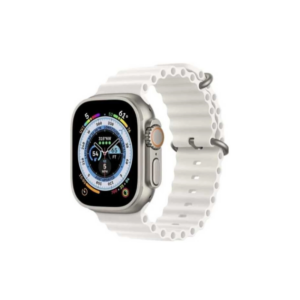 This smartwatch features a clean strap-style design paired with a digital display, making it a practical choice for everyday use. Built as a modern smartwatch, it focuses on simplicity and usability, offering a comfortable fit on the wrist while delivering essential smart features for daily convenience. Its straightforward design makes it suitable for both casual wear and light fitness tracking, appealing to users who want a functional wearable without unnecessary complexity.
Maashitala Hybrid Smartwatch Watch
 5G speed. A14 Bionic, the fastest chip in a smartphone. An edge-to-edge OLED display. Ceramic Shield with four times better drop performance.
- 6.1-inch Super Retina XDR display2
- Ceramic Shield, tougher than any smartphone glass
- 5G for superfast downloads and high-quality streaming
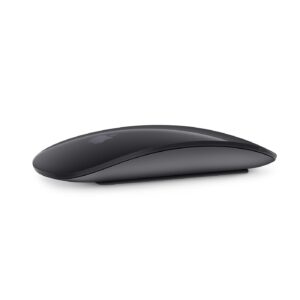
All the Power You Expect, without the Cord. Go where ambition takes you with the Cordless Hand Mixer from KitchenAid.Magic Mouse 2 (Wireless, Rechargable) – Space Gray
₹99.00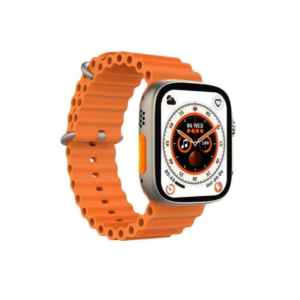 This smartwatch features a simple wrist-style design with a clear digital display, making it easy to use for everyday wear. It connects via Bluetooth to your smartphone, allowing you to stay updated with basic notifications while on the go. Focused on essential fitness tracking, it monitors activity levels, sleep patterns, and calories burned, helping you stay aware of your daily routine. Overall, it’s a straightforward, no-frills smartwatch suited for users who want basic health tracking and connectivity without the complexity of high-end features.
Men Omazone T800 Android Smart 4g Network Ultra Smartwatch
 5G speed. A14 Bionic, the fastest chip in a smartphone. An edge-to-edge OLED display. Ceramic Shield with four times better drop performance.
- 6.1-inch Super Retina XDR display2
- Ceramic Shield, tougher than any smartphone glass
- 5G for superfast downloads and high-quality streaming
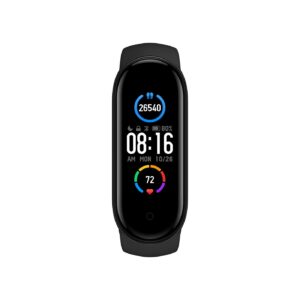
All the Power You Expect, without the Cord. Go where ambition takes you with the Cordless Hand Mixer from KitchenAid.Mi Smart Band 5
Original price was: ₹196.00.₹172.00Current price is: ₹172.00.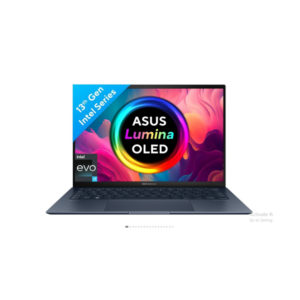
This is basically a direct Windows competitor to the Apple MacBook Air M4 category — ultra-light, premium build, long battery life, and a high-end display-focused productivity machine. And honestly, this is one of the few Windows laptops that actually competes properly instead of pretending to.
The strongest part of this laptop is the balance. A 1 kg weight with a 13.3-inch 2.8K OLED display, Intel Evo certification, Wi-Fi 6E, Thunderbolt 4 support, and a 63Wh battery is genuinely premium ultrabook territory. Most thin Windows laptops compromise somewhere badly — weak battery, dim display, overheating, cheap plastic, or poor speakers. This spec sheet avoids most of those mistakes.
That OLED panel is a major advantage. 550 nits brightness, 100% DCI-P3 color gamut, and 2.8K resolution means the display quality will destroy normal FHD IPS laptops. If you consume content, edit photos, work on design, or spend all day staring at a screen, this matters more than people think. Once you use a good OLED display, cheap LCD panels immediately feel washed out.
The battery life is also realistically strong for Windows standards. Not fake marketing nonsense — a 63Wh battery inside a 1 kg ultrabook with Intel Evo optimization usually performs well in real-world office usage. That’s important because most Windows ultrabooks still lose badly to MacBooks in battery efficiency. This one at least competes seriously.
But there are trade-offs. The biggest one is graphics performance. This is using integrated graphics with shared memory. So despite the premium pricing, this is not a gaming laptop or heavy rendering machine. Video editing is fine. Photoshop is fine. Productivity is excellent. But serious 3D rendering, high-end gaming, AI workloads, or motion graphics work will expose the limitations quickly.
Another issue: RAM appears soldered/on-board with a maximum of 16GB. That’s acceptable today, but not ideal for long-term heavy multitasking. In 2026, 16GB should honestly be considered the minimum for premium laptops, not a luxury feature. Since it’s not upgradeable, what you buy now is what you live with for years.
Microsoft Surface Pro
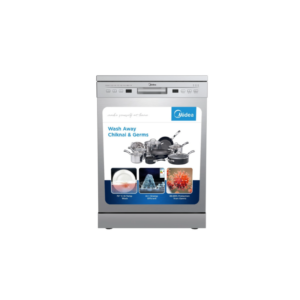
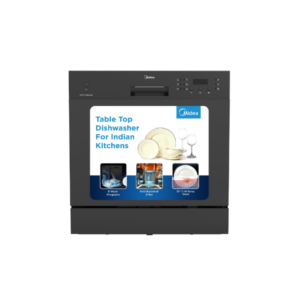
The Midea 13 place setting freestanding dishwasher is a practical, mid-range option aimed at households that want convenience without overspending. It offers enough capacity for a typical 4–6 member family, so you won’t need to run it multiple times a day unless your usage is excessive. With seven wash programs, it covers most real-world needs—from light rinsing to heavier cleaning—while features like half-load help when you don’t have a full batch, which is actually useful if you live alone or in a smaller setup but still want flexibility.
Where it does things right is in usability. The delay start feature is genuinely practical for running the machine during off-peak hours or overnight, and the power-off memory ensures it resumes after a power cut—something that actually matters in India more than brands like to admit. The extra dry option helps, but don’t expect perfect drying for plastics; that’s a common limitation at this level, not a unique flaw. The stainless steel tub and water leak protection add durability and safety, which are non-negotiable basics rather than premium perks.
Now the reality check: 52 dB is not “super quiet.” It’s acceptable, but you’ll hear it if your kitchen is close to your living space. Water consumption at around 11 liters per cycle is efficient compared to manual washing, but energy usage is average—not class-leading. The IoT app sounds fancy, but unless you’re someone who actually manages appliances remotely, it’s more gimmick than necessity.
Bottom line: this dishwasher is about balance, not excellence. It does most things reasonably well without standing out anywhere. If your expectation is a reliable, no-nonsense machine that saves time and water, it fits. If you’re expecting premium cleaning performance, near-silent operation, or flawless drying, you’re looking at the wrong category entirely.
Midea 13 Place Setting Freestanding Dishwasher WQP12-5201F
Electronics
Risus commodo viverra maecenas accumsan
lacus vel facilisis.