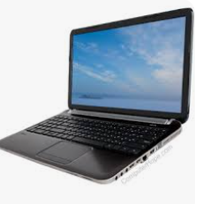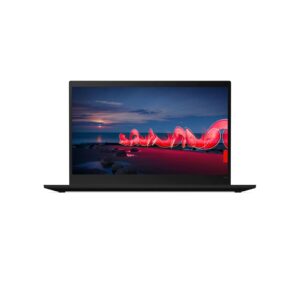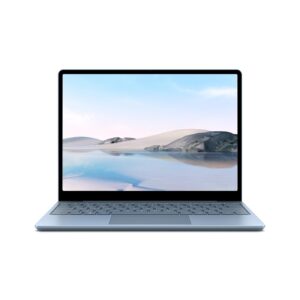
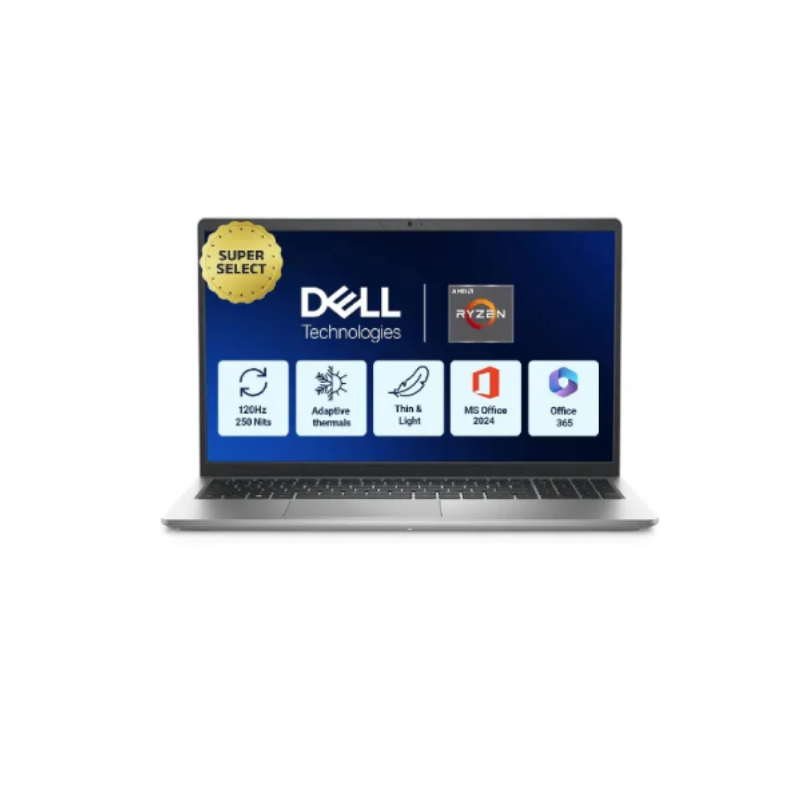
Dell 15 Thin & Light Laptop
Available in stock
You’ve pasted specifications for completely different product categories like laptops, printers, dishwashers, microwaves, OTGs, UPS systems, and inverters, but without a specific question or comparison target, there’s no meaningful way to tell you which one is “best.” A lot of people make the mistake of comparing products only based on specs or brand names without thinking about the actual use case, and that usually leads to wasting money on features they never use. Some of the products you shared are genuinely good value for long-term usage, while others look attractive on paper but become frustrating because of poor performance, expensive maintenance, weak hardware, or unnecessary premium pricing. For example, a cheap cartridge printer may seem affordable initially but becomes expensive if you print regularly, a solo microwave is pointless if you actually want baking or grilling, and a low-end Windows laptop with 4GB RAM will struggle badly in modern multitasking despite having an SSD. On the other hand, some products like the MacBook Air M4, Bosch dishwashers, or higher-end ASUS Vivobook models are strong choices only if your usage actually justifies the price. That’s why the important factors are not just specifications but things like your budget, how many people will use it, how often you’ll use it, whether you prioritize durability or performance, and whether you care more about low upfront cost or long-term reliability. Without that context, randomly choosing based on specs alone is honestly one of the easiest ways to buy the wrong product.