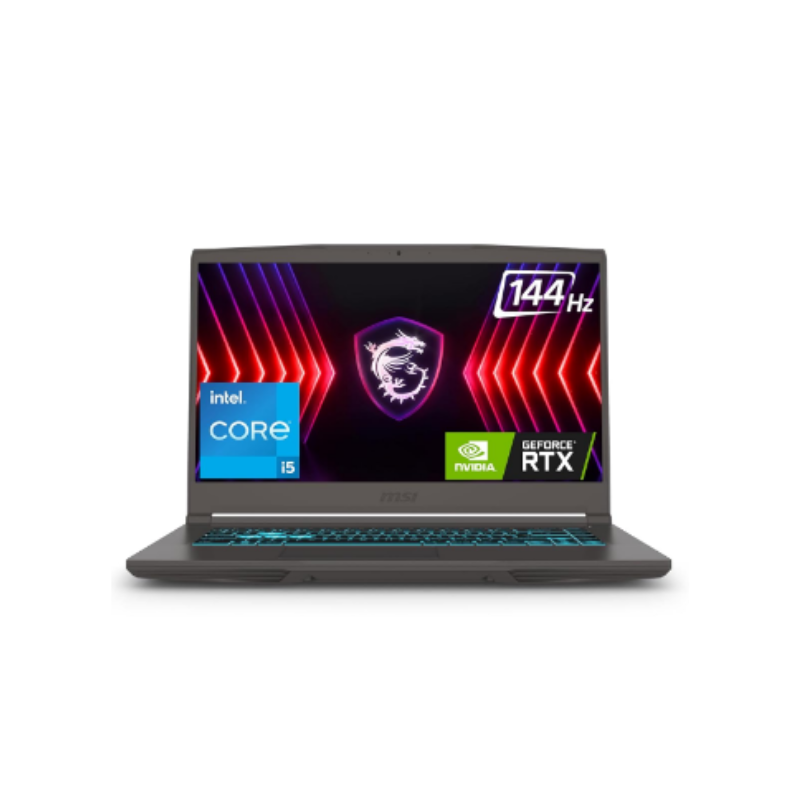
MSI Thin 15 Gaming Laptop
Available in stock
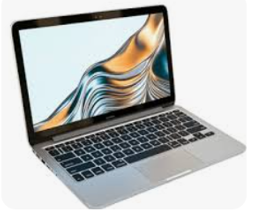
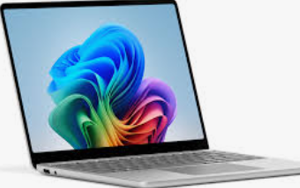
This is clearly a budget-to-midrange gaming laptop setup, not an ultrabook. The important detail here is the dedicated 4GB GDDR6 graphics card — that’s what separates this from normal office laptops. Even though the processor clock starts at 1.5 GHz, modern Intel chips dynamically boost higher under load, so the base clock alone means almost nothing.
The good part is upgradeability. Support for up to 64GB DDR4 RAM is a strong advantage because many thin laptops today lock users into soldered memory. That means this machine can age much better if you upgrade RAM later. The 512GB SSD with PCIe storage is standard and fast enough for gaming, boot times, and multitasking.
But don’t misunderstand the positioning. A 4GB GPU in 2026 is entry-level gaming territory now. It’s enough for esports titles like Valorant, Counter-Strike 2, Grand Theft Auto V, and medium settings in many AAA games. But if you expect ultra settings, ray tracing, or future-proof AAA gaming for years, this will struggle. VRAM limitations hit hard in modern games.
The weight — 1.86 kg — is reasonable for a gaming-oriented machine. Not ultra-light, but portable enough. Battery life will also not be amazing despite the 52.4Wh battery because dedicated GPUs drain power quickly. Gaming laptops are basically “portable desktops,” not true all-day battery devices.
The biggest missing information is the exact GPU and CPU model. That matters massively. Saying “Intel + 4GB GDDR6” is incomplete because performance could vary hugely between something weak like an RTX 2050 and something decent like an RTX 3050/4050. Same with Intel generation. Specs without exact chip names are marketing fluff.