
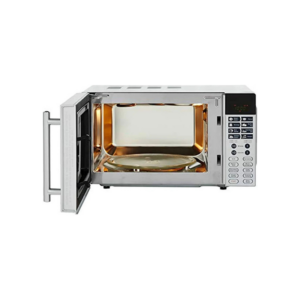
 The 20L Convection Microwave Oven is a compact all-in-one microwave designed for small families that want baking and grilling capabilities along with regular reheating and defrosting. Unlike solo or grill-only microwaves, this model supports full convection cooking, which means it can handle cakes, pizzas, cookies, grilled dishes, baked pasta, and other oven-style cooking tasks in addition to everyday microwave functions. It comes with multiple convenience features like auto reheat, keep warm, auto defrost, and multi-stage cooking, allowing the microwave to automatically switch between different cooking stages without manual intervention. The 20-liter cavity is enough for light to moderate cooking needs, though it may feel restrictive if you frequently cook large dishes or bake in bulk. The dual heating elements and 2000W convection power help improve baking consistency and grilling performance compared to basic convection models, while the 800W microwave output is sufficient for daily reheating and cooking tasks. The touch membrane controls with LED display give it a cleaner and more modern interface, and the stainless-steel anti-bacterial cavity improves hygiene and durability. Features like steam cleaning, intelligent cooling, overheating protection, sensor malfunction protection, and child safety lock add practicality and safety for regular household use. The included low rack, high rack, and baking plate make it usable for baking and grilling immediately without extra purchases. But here’s the practical truth people often miss: a 20L convection microwave is convenient, not professional-grade. It’s good for occasional baking and everyday cooking, but serious bakers will still prefer a larger OTG because dedicated ovens provide better airflow, larger trays, and more consistent heat control. This model makes the most sense for people who want one compact appliance that can handle reheating during weekdays and basic baking or grilling on weekends without occupying too much kitchen space.
IFB 20 L Convection
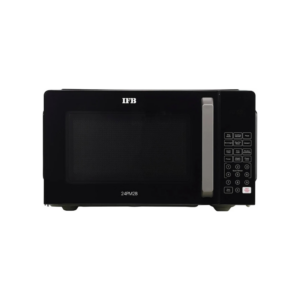

The IFB 24PM2B is a 24-liter solo microwave oven aimed at families who mainly want fast reheating, defrosting, and simple microwave cooking without paying extra for grilling or convection features they may never use. The 24L capacity is practical for 4–6 members and gives enough interior space for medium-sized bowls, plates, and containers. Its 900W cooking power is stronger than many entry-level solo microwaves, so heating and cooking are noticeably faster and more efficient.
This model includes useful convenience features like auto-cook recipes, auto defrost, auto reheat, delay start, and sensor cooking, which helps automate basic cooking tasks instead of manually setting time and power every single time. The digital control panel is easier and more precise compared to old rotary-dial microwaves, and IFB also includes practical additions like child lock, overheating protection, intelligent cooling, steam cleaning, deodorizer, and an anti-bacterial cavity to improve hygiene and maintenance.
But here’s the important limitation people ignore while buying solo microwaves: this cannot bake cakes, grill chicken, make proper pizzas, or replace an OTG. Marketing images often confuse buyers into expecting convection-style cooking from solo microwaves, which is unrealistic. This model is best for reheating food, steaming, melting, quick cooking, popcorn, noodles, beverages, and basic microwave recipes.
If your usage is daily convenience cooking and reheating for a family, this is a solid and practical microwave with good power output. If you want baking, grilling, or restaurant-style oven cooking, this is the wrong category entirely and you should look at convection microwaves or OTGs instead.
IFB 24 L Solo
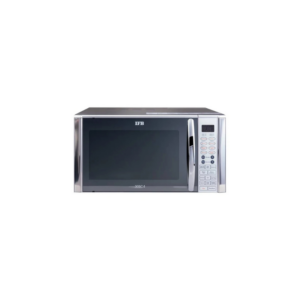
The 30L Convection Microwave Oven is designed for users who want a proper all-in-one cooking appliance instead of a basic reheating microwave. Unlike solo models, this one supports convection baking, grilling, reheating, and multi-stage cooking, which means it can actually handle cakes, pizzas, cookies, grilled chicken, baked dishes, and other oven-style cooking tasks. The 30-liter capacity is large enough for medium to large families and gives enough space for bigger cookware and larger food portions.
Its 360° convection system and dual heating elements help distribute heat more evenly, which is important for proper baking and grilling consistency. Features like auto preheat, grill mode, and touch controls make the cooking experience more modern and convenient compared to entry-level microwaves with manual dials. The stainless-steel interior improves durability and is easier to maintain, while the steam-clean feature helps reduce grease and odor buildup over time. It also includes a child safety lock, overheating protection, delay timer, LED display, and a starter kit with microwave-safe cookware, making it beginner-friendly.
Now the important reality check: convection microwaves try to do everything, but they are not perfect replacements for dedicated OTGs when it comes to serious baking. If you’re deeply into baking breads, large cakes, or professional-style grilling, a dedicated OTG still gives better heat control and baking results. But for most home users who want one appliance that can reheat food during the week and bake or grill occasionally on weekends, this category is far more practical than buying a solo microwave.
IFB 30 L Convection
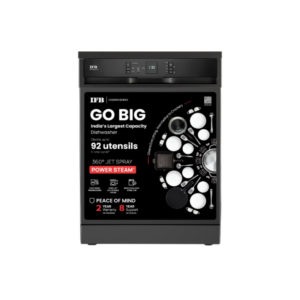
The IFB Neptune VX Dishwasher is a well-balanced appliance built for households that want convenience without overcomplicating things. With a 14 place setting capacity, it’s clearly aimed at medium to large families who deal with heavy daily loads, not occasional users. The design is practical and modern, finished in grey, and the feather-touch controls keep operation simple instead of cluttered. What actually matters here is performance—its 360° spray system and built-in heater ensure proper cleaning even for oily, masala-heavy utensils, which is where many dishwashers fail in Indian kitchens. The Ion Fresh technology and anti-microbial filter are not just gimmicks; they help maintain hygiene and reduce odor buildup, meaning you don’t need to babysit the machine or pre-rinse everything like with cheaper models.
It runs five wash programs, including high-temperature hygiene cycles up to 70°C, which is useful if you care about proper sanitization rather than just “looking clean.” Water consumption stays around 12 litres per cycle, which is efficient compared to manual washing if you’re being honest about real usage. Noise levels at around 52 dB are acceptable—not silent, but not annoying either. Features like self-cleaning, delay start, child lock, and a built-in water softener make it more practical for Indian conditions where hard water is a real issue.
Bottom line: this isn’t a flashy, overhyped machine—it’s a functional, reliable dishwasher that actually solves the core problem. If you’re expecting luxury-level silence or ultra-smart features, this isn’t it. But if you want consistent cleaning, hygiene, and less daily effort, it does the job properly without unnecessary nonsense.
IFB Neptune VX 14 Place Settings Dishwasher
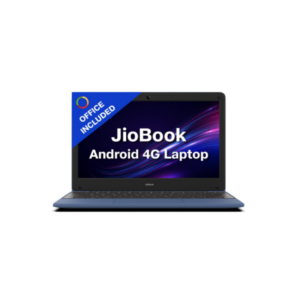 This lightweight 11-inch laptop is designed mainly for basic everyday usage such as online classes, browsing, YouTube, video calls, document work, and light office tasks. It runs on a MediaTek octa-core processor with 4GB LPDDR4 RAM and 64GB eMMC storage, which is much slower than a proper SSD laptop, so performance will feel limited if you open many apps or browser tabs at once. The compact thin-and-light design weighs under 1 kg, making it highly portable and convenient for travel or students who need a carry-friendly device. It supports Wi-Fi, Bluetooth, and even 4G LTE cellular connectivity, which is uncommon in budget laptops and useful for working without depending on Wi-Fi. Features like Lifetime Office, HDMI port, SD card support, anti-glare display, stereo speakers, and up to 8 hours of battery life add practical value for casual users. But realistically, this is not a performance machine — it is underpowered for heavy multitasking, editing, gaming, coding, or professional workloads. The 64GB eMMC storage is the biggest limitation because it fills up quickly and slows down over time. This type of laptop only makes sense if your budget is extremely tight and your usage is strictly basic.
JioBook 11 2023 Android 4G Laptop
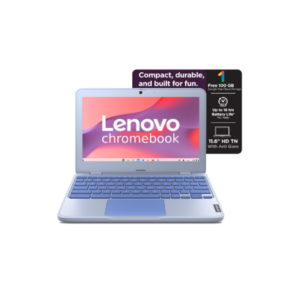
This Lenovo Chromebook is an entry-level ultra-basic laptop meant for lightweight usage only. The biggest thing you need to understand is that Chrome OS is not Windows. A lot of people buy Chromebooks cheaply and later regret it because they expect normal laptop behavior. This device is mainly built for web browsing, YouTube, online classes, Google Docs, emails, Zoom calls, and very light cloud-based work. That’s it.
The specs are honestly weak by modern standards. A dual-core Intel processor at 1.1 GHz with only 4GB RAM and 64GB storage is extremely limited. Even basic multitasking with many Chrome tabs can slow it down. Forget heavy editing, gaming, advanced software, coding environments, Adobe apps, or professional creative work — this machine is not built for any of that.
The 1366×768 resolution on an 11-inch display is also pretty outdated and cramped. It’s usable, but not enjoyable for long work sessions. However, the lightweight design (1.21 kg) and 12-hour battery life are genuine advantages. This is clearly optimized for portability and battery efficiency rather than power.
The real deciding factor is your workflow. If your entire work happens inside a browser — Google Workspace, Canva basic usage, social media scheduling, email, Notion, YouTube, online meetings — then a Chromebook can actually work fine. But if you depend on Windows software, advanced multitasking, video editing, Photoshop, Premiere Pro, Excel-heavy work, or storage-heavy files, this becomes frustrating very fast.
For students with tight budgets or people needing a secondary travel device, it’s acceptable. For serious long-term productivity, it’s weak and limiting. Most people trying to “save money” with ultra-cheap Chromebooks eventually outgrow them within 1–2 years.
Lenovo Chromebook Intel Celeron N4500 11.6 HD
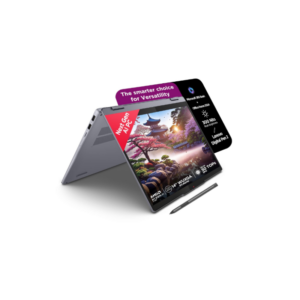
This Lenovo laptop is positioned as a solid mid-range productivity and multitasking machine with a good balance between performance, portability, and modern features. It comes with a 14-inch WUXGA display (1920 × 1200), which is better than standard Full HD because the taller 16:10 aspect ratio gives extra vertical screen space — genuinely useful for work, browsing, spreadsheets, coding, and content consumption. The touchscreen support adds flexibility, especially if you prefer gesture navigation, presentations, or casual creative tasks.
With 16GB RAM and a 512GB SSD, this configuration is already at the practical sweet spot for most users in 2026. Unlike many cheap laptops still shipping with 8GB RAM, this one can comfortably handle heavy multitasking, multiple browser tabs, Office apps, video calls, light editing, and productivity workloads without struggling. The processor capable of boosting up to 4.8GHz indicates strong day-to-day responsiveness and enough power for demanding office work, programming, and moderate creative usage.
At 1.6 kg, it is portable enough for students and professionals without feeling ultra-fragile like some lightweight laptops. The biggest thing to notice is the “Max Supported RAM: 16GB,” which likely means the RAM is either soldered or limited — so what you buy now is probably what you’ll use long term. Fortunately, 16GB is still very usable for several years unless your workload becomes heavily professional like advanced video editing, 3D work, or virtualization.
Overall, this is a practical and balanced laptop for students, office professionals, remote workers, business use, and everyday productivity. It is far more sensible than buying flashy low-end laptops with weak processors and only 8GB RAM. The only real question is the exact processor model, because Lenovo sells both powerful and weak CPUs under similar-looking specifications. Without that detail, nobody can honestly call it “excellent” yet.
Lenovo IdeaPad 5 2-in-1 AMD Ryzen AI 5 340
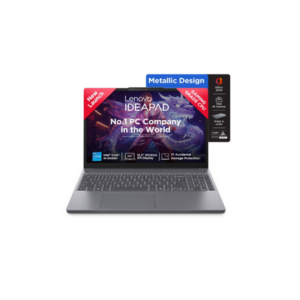 The Lenovo IdeaPad Slim 3 is a sleek and performance-focused laptop designed for students, professionals, and everyday multitaskers. Powered by the 13th Gen Intel Core i5-13420H processor with speeds up to 4.6 GHz, it delivers fast and efficient performance for productivity, browsing, streaming, and multitasking. It features a large 15.3-inch WUXGA IPS display with a 1920 x 1200 resolution, offering sharp visuals, anti-glare comfort, and wide viewing angles for an immersive viewing experience. Equipped with 16 GB DDR5 RAM and a fast 512 GB NVMe SSD, the laptop ensures smooth responsiveness, quick boot times, and ample storage for files and applications. Its lightweight grey design, backlit keyboard, Full HD webcam with privacy shutter, and modern connectivity options make it a reliable and portable companion for work, study, and entertainment.
Lenovo Ideapad Slim 3 Intel Core I5 13th Gen 13420h
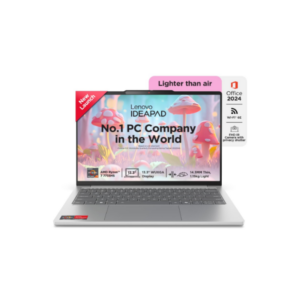
This laptop is actually well-balanced and far better than the cheap “spec-sheet trap” laptops flooding the market. On paper, it targets students, but realistically it’s powerful enough for most professionals, creators, and multitaskers who don’t need dedicated gaming-level graphics.
The biggest strength here is the AMD 8-core, 16-thread processor paired with LPDDR5X RAM and PCIe Gen4 SSD storage. That combination gives genuinely fast real-world performance — quick boot times, smooth multitasking, multiple browser tabs, office work, content consumption, Canva, Figma, light editing, coding, and even moderate creative workloads. Most casual users will never fully utilize this CPU.
The display is another strong point. A 13.3-inch 1920×1200 IPS panel with 100% sRGB and 400 nits brightness is significantly better than the washed-out low-quality screens many brands sneak into budget laptops. If you do social media work, content creation, design-related tasks, or spend long hours staring at the screen, this matters a lot more than flashy processor marketing. The 16:10 aspect ratio also gives more vertical workspace, which genuinely improves productivity.
At just 1.15 kg with a metal chassis, this is clearly designed for portability without feeling cheap. Add Wi-Fi 6E, Dolby Audio, backlit keyboard, IR camera, privacy shutter, rapid charging, and MIL-STD durability, and you’re getting a modern premium ultrabook experience instead of a stripped-down budget machine.
Now the limitation: the RAM is soldered. That means whatever RAM configuration you buy is permanent forever. No upgrades later. So if this comes with only 16GB, that’s fine for most people today and probably enough for the next 4–5 years unless you move into very heavy editing, virtualization, AI workloads, or advanced development. But if there’s an 8GB variant, avoid it completely.
Also, since graphics are integrated, this is not a serious gaming laptop and not ideal for heavy 4K video editing, advanced 3D rendering, or GPU-intensive work. It can handle light creative work, but there’s a ceiling.
Overall, this is the kind of laptop that makes sense for someone who values portability, battery life, display quality, and smooth day-to-day performance instead of blindly chasing gaming specs. If priced reasonably, this is a smart buy.
Lenovo IdeaPad Slim 5 Ryzen
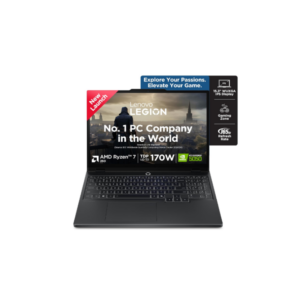
This is clearly a higher-performance laptop compared to regular student or office machines. The moment you see a 16-inch display, NVIDIA GPU, 1TB SSD, and a processor boosting up to 5.1 GHz, you’re no longer looking at a lightweight everyday laptop — this is built for demanding workloads.
The biggest advantage here is the dedicated NVIDIA graphics card. That immediately makes this machine far more capable for video editing, motion graphics, 3D work, gaming, AI tools, rendering, architecture software, and creative applications compared to laptops relying on integrated graphics. If your work involves Adobe Premiere Pro, After Effects, Blender, DaVinci Resolve, or even heavy multitasking with dozens of tabs and apps open, this kind of hardware actually matters.
The 16-inch 1920×1200 display is another practical advantage. The extra vertical space from the 16:10 aspect ratio improves productivity noticeably, especially for editing timelines, spreadsheets, coding, or multitasking. Combined with 16GB RAM and a 1TB SSD, this setup is already in a comfortable range for serious users. You won’t constantly fight storage limitations like on cheap 256GB laptops.
But here’s the reality most people ignore: bigger powerful laptops also come with trade-offs. A 16-inch machine with an NVIDIA GPU is usually heavier, hotter, louder, and has worse battery life than ultrabooks. If someone buys this only for browsing, Office work, Netflix, or basic college usage, it’s overkill and financially dumb. You’d just carry extra weight and waste money on unused performance.
Another thing: “NVIDIA GPU” alone means nothing unless you know the exact GPU model. An RTX 4050 and MX550 are worlds apart. Brands love hiding weak GPUs behind vague marketing because most buyers only look for the word “NVIDIA.” Same with the processor — “5.1 GHz” sounds impressive, but CPU generation and architecture matter more than raw clock speed.
So this laptop makes sense only if you genuinely need performance-heavy capability. For creators, editors, designers, developers, gamers, or power users, this is probably a strong option. For normal daily use, it’s unnecessary bulk and expense.
Lenovo Legion 5 Gaming Laptop
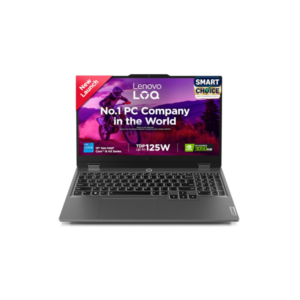 This Lenovo laptop is built for users who need strong performance for gaming, multitasking, and demanding workloads. Powered by an Intel octa-core processor with speeds up to 4.4 GHz and dedicated NVIDIA graphics, it is capable of handling gaming, video editing, content creation, programming, and heavy multitasking smoothly. The 15.6-inch Full HD touchscreen display combined with a fast 144Hz refresh rate delivers sharp visuals and smoother motion, making it ideal for gaming, entertainment, and creative work. With SSD storage, the laptop offers faster boot times and responsive performance, while multiple RAM options ranging from 8GB to 24GB allow users to choose based on their performance needs. The overall design focuses more on power and performance than portability, which is reflected in its 2.4 kg weight. Overall, this laptop is suitable for gamers, creators, students in technical fields, and professionals looking for a high-performance Windows machine with dedicated graphics and a smooth display experience.
Lenovo LOQ 12th Gen Gaming Laptop
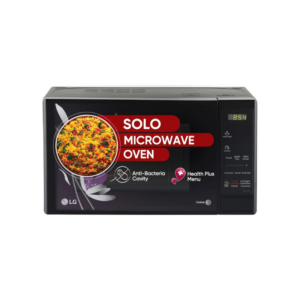
The 20L Microwave Grill Oven is a compact microwave mainly targeted at bachelors, couples, and small households that need fast reheating with some basic grilling capability. With a 20-liter capacity and 700W microwave power, it’s designed more for convenience cooking than heavy-duty baking or advanced culinary use. Daily tasks like reheating rice, curries, tea, frozen food, popcorn, noodles, and simple microwave recipes are where this category performs best.
This model supports both microwave and grill modes, so unlike a solo microwave, it can give a light grilled or crispy finish to foods like sandwiches, paneer, pizza toppings, kebabs, or garlic bread using the quartz heater. It also includes LG-style i-wave technology for more even heat distribution, helping reduce cold spots during reheating. The touch membrane controls, polished finish, side swing glass door, and LED-style interface make it look more premium than entry-level dial-based microwaves.
The anti-bacterial cavity helps with hygiene and easier cleaning, while the child lock and energy-saving mode improve practicality for regular household usage. However, the biggest misunderstanding buyers have with grill microwaves is assuming they can replace convection ovens or OTGs. They cannot. This model does not have convection heating, so proper baking performance for cakes, breads, or cookies will be limited and inconsistent.
So realistically, this microwave makes sense only if your main priorities are reheating, quick cooking, and occasional light grilling. If your actual goal is serious baking or roasting, buying this instead of a convection microwave or OTG would be the wrong decision.
LG 20 L Solo
Electronics
Risus commodo viverra maecenas accumsan
lacus vel facilisis.